The Affiliate’s Field Guide to Promoting mVAS in Africa
September 16, 2026 18 min read
African Countries are getting that all too familiar buzz of excitement for some affiliates.
They’re earning tons of cash from it recently!
Check any affiliate Telegram group right now and you’ll see it.
Africa is the topic this year, and for good reason.
The traffic is real and the audiences are online.
The payouts are there too, for anyone who shows up prepared.
So you get excited and try it out yourself.
Then week one happens.
The numbers come in flat,or worse, in the red.
The angle that crushed it in discussions and the case studies shared did nothing for you.
So you wonder if Africa was overhyped the same way half the “next big GEO, next big offer” calls always are.
The thing is—it wasn’t overhyped.
You just treated Africa as one country and promoted as such without seeing it as it is—one continent containing several countries with different cultures and nuances!
To do it right, you need information.
This guide gives you the details as well as tips so you can start (or restart) on the right path.
These tips don’t replace the reasoning behind each one, so make sure to still read the rest of the guide below.
Use it to get moving, then go deep on whichever GEO you land on.
South Africa: The GEO You Already Know, Sort Of
Ask any affiliate to name an African GEO and South Africa is usually the first one out of their mouth.
Everyone’s heard of it, but fewer people have actually run mVAS here, and only a handful have run it well.
That’s because South Africa doesn’t play by the same rules as the rest of this list.
It’s the one market here that behaves like a developed economy, and that changes almost everything about how you approach it.
The Numbers in South Africa
According to ICASA’s State of the ICT Sector report:
- 117.3 million mobile subscriptions at 180% penetration
- Prepaid still makes up about 82% of the market
- Postpaid is growing 7.7% at the same time
- Smartphone subscriptions have hit 83 million
Quick definition, since we’ll use this term throughout the guide: penetration just means the number of mobile subscriptions compared to the size of the population.
It can climb past 100%, like it does here, because plenty of people use more than one SIM card.
Data is also cheap here compared to the rest of the continent.
A 2GB basket costs R152 a month, just 1.63% of GNI per capita.
Your audience isn’t rationing megabytes the way some of the other GEOs on this list have to.
The Carrier Picture: No Weak Link
No single carrier owns this market.
According to the 2026 mobile network barometer, top carriers are:
- MTN – took the top overall spot, with average download speeds of 41.3 Mbps and the best web browsing performance
- Cell C
- Vodacom
- Telkom
Connection speed is not an issue, so you can stop worrying about buffering and start worrying about your creative instead.
Language: English Works, But It’s Not Everyone’s First Language
This may surprise you, but English is only the fourth most common home language in South Africa.
BUT! English still runs the show in government and business.
Media leans heavily on it too.
It’s the language of commerce/retail/business.
Plus, it reaches across all of South Africa’s language groups without alienating anyone.
Once a campaign is profitable and you need to scale, that’s your cue to test your best-performing creatives in the local language.
Don’t do it on day one.
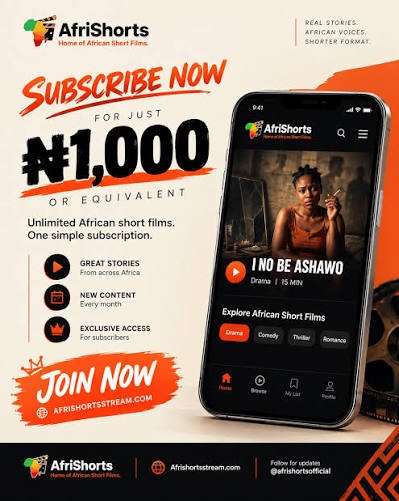
Tips for Advertising in South Africa
South African advertising leans urban, professional, and tech-forward.
Ads should emphasize modern identity and multicultural progress over countryside or traditional imagery.
Skip the “authentic village life” style creative here.
Something current and city-forward fits this market better.
Why South Africa Plays a Different Game in Billing
In most countries in Africa, Direct Carrier Billing or DCB wins because people don’t have a bank card to check out with.
It’s different here.
Card is still the top online payment method in South Africa, at 43% of transactions.
E-wallets sit at 20%, and bank transfer takes 22%, according to Stitch’s SA Consumer Payments Report.
Digital wallets are commonly used, with about 1 in 5 people.
What DCB sells here instead is speed: No card form, no redirect.
One tap and you’re subscribed.
The Braai Is the One Thing Everyone Shares
A braai is a South African barbecue, and around 90% of households have a braai setup, and do it regularly.
It crosses race, income, and generation in this market.
An ad creative built around gathering or sharing a meal taps into the braai culture as it’s something almost everyone recognizes.
Diversity Isn’t Optional
South Africa calls itself the Rainbow Nation, and audiences notice when ads don’t reflect that.
Two major Rugby World Cup campaigns drew criticism for leaving out the other members of the community, even while pushing an inclusive message.
Professional Framing Wins
Angles built around speed and professional-feeling design outperform anything folksy or old-fashioned.
That tracks with what we already know: South Africa isn’t a card-gap market, so a polished pitch beats a rustic one.
Nigeria: The Volume Play
If you only test one GEO in Africa, most affiliates would point you here first.
Nigeria has the biggest population and the biggest subscriber base.
And once a creative angle actually works here, it has the most room to scale too.
The Numbers in Nigeria
Based on the NCC’s industry statistics:
- 195.11 million active mobile subscriptions
- 154.7 million internet subscriptions, with broadband at 55.67%
- 4G makes up 54.41% of connections
- 2G still holds 35.93%
The connection of some subscribers can handle heavy pages, but a third of them can only load lightweight ones.
The Carrier Picture: One Giant, Three Challengers
MTN just crossed 100 million subscribers in Nigeria, and the carrier split as of July 2026 looks like this:
- MTN: 100.86 million subscribers, 51.76% of the market
- Airtel: 66.76 million subscribers, 34.26% of the market
- Globacom: 23.63 million subscribers, 12.13% of the market
- 9mobile: 3.61 million subscribers, 1.85% of the market
Language: English Opens the Door, Hausa Is the Reality at Home
Nigeria’s official language is English, and it’s what runs government and business.
Most advertising runs on it too, so start here.
But English is only spoken at home by about 7.2% of Nigerians.
Hausa comes out on top at 31.5%.
Yoruba follows at 17.2%, with Igbo close behind at 12.9%.
Still! Run your first creative in English as it travels across every region and every carrier without needing three separate versions.
Once you’ve got a winning angle in English and you have some budget, that’s your cue to test a Hausa or Yoruba version of your best creative.
This matters most if you’re pushing hard into the north or southwest.
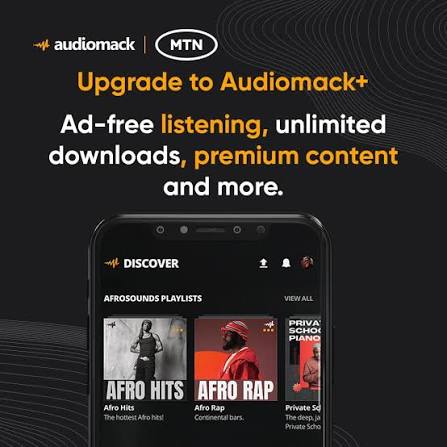
Tips for Advertising in Nigeria
Nigeria’s huge population and subscription base is both an advantage and a disadvantage.
More affiliates are already running here than in almost any other GEO on this list— competition for the best offers and angles is therefore real.
And that 35.93% still sitting on 2G means a slow landing page quietly kills views, let alone conversions.
Don’t assume one funnel that worked in Kenya or Ghana will just carry over.
Nigeria has its own habits, and it rewards affiliates who build for them specifically.
Culture Built Around Family
Research on Nigerian consumer behavior puts the number at 76% of major household purchases involving the extended family in some way.
Someone’s aunt, older brother, or father weighs in before money moves.
I’d treat that as a rule, not a footnote.
One study found multi-generational imagery pulling 58% higher emotional resonance than solo-person shots, so capitalize on that.
Language Does More Than Translate
Pidgin English is the version that people trust.
Campaigns in Pidgin see 43% higher engagement than standard English, especially with the 18 to 35 crowd.
I’m not saying lead every single creative with Pidgin.
But testing a Pidgin variant against your English control ad might yield better results.
The Youth Angle Is Its Own Animal
Nigerian youth, roughly 16 to 35, doesn’t trust polished advertising.
Two-thirds of them say so outright, and they lean on influencer opinion instead.
Creatives that use real slang and real memes can work with this crowd.
Don’t over-polish. The rough one usually win.
Women as Decision-Makers
Women make or influence 73% of household purchasing decisions in Nigeria, across every category, not just the ones you’d expect.
Use an angle that can speak to that decision-maker directly.
Kenya: Where the Traffic Actually Behaves
Ask around and you’ll hear the same thing from affiliates who’ve run mVAS in Kenya: the traffic here just performs better.
Higher engagement, cleaner data, fewer wasted clicks.
The Numbers in Kenya
Based on the Communications Authority of Kenya’s sector report:
- 84.1 million mobile subscriptions, at 157.7% penetration
- 62.6 million mobile data subscriptions, with 84.4% of subscriptions on broadband (3G or better)
- Average data use runs 15.1 GB per subscription every month
- Smartphones make up 63.7% of devices (50.2 million smartphones against 28.5 million feature phones)
- Prepaid makes up 96.5% of subscriptions
That penetration figure above 100% isn’t a typo.
Or sometimes it’s so they have a backup when one carrier loses signal in one location.
The Carrier Picture
Safaricom runs this market. As of Q1 2026, the carrier split looks like this:
- Safaricom: 57.9 million subscribers, 68.9% of the market
- Airtel Kenya: 23.2 million subscribers, 27.6% of the market
- Telkom Kenya: 584,438 subscribers, under 1% of the market
Language: Two Official Languages
Kenya runs on two official languages: English and Swahili.
But they don’t play the same role.
English handles government paperwork and formal business, while Swahili is the one that actually gets spoken across ethnic and regional lines.
Far more people understand it as a second language, even where it isn’t anyone’s mother tongue.
As always, we recommend you run your creative in English first.
But if you’re feeling more adventurous, you can do an A/B test of the same creative.
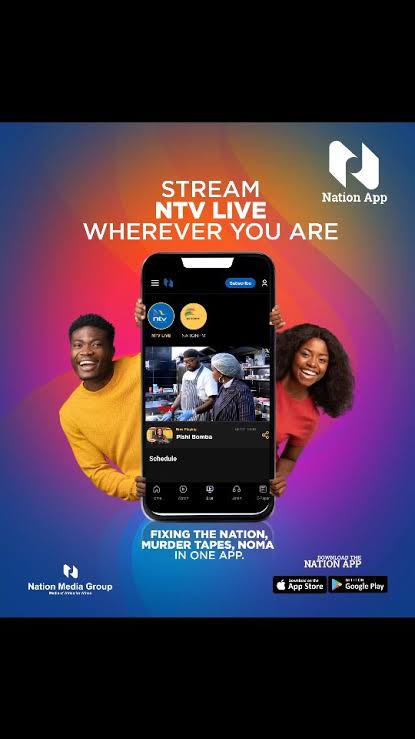
Tips for Advertising in Kenya
Quality traffic isn’t cheap traffic.
Because Kenya has a reputation for converting well, more affiliates are already fighting over the best traffic sources and zones here, which can push costs up.
Kenya rewards affiliates who take the traffic quality seriously and build creative that matches it.
Here are some advertising tips that works with the Kenyan crowd.
The Real Reason Kenya Converts in mVAS
M-Pesa, Kenya’s mobile money service run by Safaricom, is more than popular here.
So, a subscription billed straight to a phone isn’t a strange new idea here.
Kenyan users understanding a DCB subscription faster than almost any other audience on this list.
“My phone equals my wallet” is already second nature here.
Faith Shapes What You Can Say
Kenya is roughly 80% Christian, and that shapes what flies and what doesn’t.
For example, Trust condoms hit resistance early on with their messaging that seemed to promote promiscuity.
After switching to an HIV prevention angle, the results improved.
Same product, different framing, completely different reception.
I’d apply the same caution to any mVAS offer that touches health, relationships, or sensitive personal topics.
Vernacular Radio Still Has Reach
Vernacular-language radio stations remain a serious channel here, especially outside Nairobi.
It’s a sign that Kenyans respond to their own language even when English is available.
Any mVAS offer that hints on providing services or content in their local language, it’s a good sign it will work well.
Discretion Matters More Than You’d Guess
Even ordinary personal-care products get packaged discreetly in Kenyan retail, sanitary products included.
That tells you something about privacy expectations here.
If your offer touches anything personal or sensitive, don’t go loud with it.
A quieter, more private-feeling angle tends to earn more trust than a bold, in-your-face one.
Ghana: The Practice Field Before You Scale
Ghana doesn’t have Nigeria’s population or Kenya’s traffic-quality reputation.
What it has is clean data and a good sized market.
The Numbers in Ghana
Ghana’s mobile market comes in smaller than most on this list, but the picture is easy to read:
- 42.18 million mobile voice subscriptions, at 125.59% reach
- 28.03 million mobile data subscriptions
- Prepaid makes up 98.81% of all voice subscriptions
But don’t make it too heavy—enough to make it interactive and can capture the audience’s attention.
The Carrier Picture
Two of Ghana’s carriers rebranded recently, so if you’ve been away from this GEO for a while, the names might throw you off.
Vodafone Ghana is now Telecel.
AirtelTigo is now just AT.
As of Q4 2025, the market split looks like this:
- MTN: 72.92% of voice subscriptions, 79.68% of data subscriptions
- Telecel: 20.17% of voice, 15.78% of data
- AT: 6.91% of voice, 4.54% of data
That’s the highest single-operator concentration on this list.
Target MTN and you’ve covered close to three-quarters of the market.
Language: English Actually Leads Here
Ghana has has roughly 9.8 million English speakers, and Akan (the Twi and Fante dialects combined) follows close behind at about 9.1 million.
Everything else, Ewe, Dagbani, Ga, comes in well below both.
I’d call Ghana the easiest language decision on this entire list.
Run English and you’re not compromising for reach the way you might in Nigeria or South Africa.
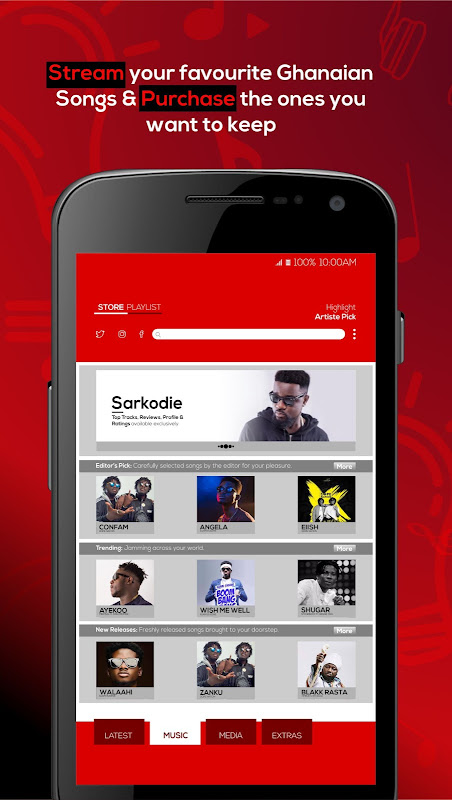
Tips for Advertising in Ghana
Mobile Money Works Differently in Ghana
Ghana has something no other GEO in this guide has: mobile money networks and banks and fully interconnected.
It means a MoMo user on one network can send money to a different network, or straight into a bank account, without friction.
Ghana is the only country on the continent where this works completely across the board.
The numbers show what that’s built: 71.9 million registered mobile money accounts, 23.3 million active ones, and over 872,000 agents on the ground.
Financial inclusion sits at 97%.
Respect Comes Before the Pitch
Ghana runs on hierarchy in a way a lot of Western-style ad copy completely ignores.
Age, seniority, education, and title all carry real weight in daily life.
A creative that shows a young person as the confident expert, ordering an elder around or dismissing their opinion, can actually work against you here.
Show respect for age and experience in your imagery and framing instead.
Family Means the Whole Network
“Family” in Ghana stretches well past the nuclear unit.
Extended family, community obligation, and shared responsibility are all part of daily life, not just holiday talk.
Creative that shows a wide, connected family or community setup tends to land better than creative built around one isolated person making a decision alone.
Don’t Skip the Warm-Up
Akwaaba, the Ghanaian concept of hospitality, shapes how people expect to be treated, even in a two-second ad glance.
Ghanaian business culture values taking a moment to ask about someone’s health, family, and life before getting to business.
That instinct shows up in how people respond to advertising too.
A cold, transactional opener leads to low engagement rates.
Go for a warmer opening line that feels like a greeting, rather than diving straight into the offer.
Stories are Best
Ghanaians often communicate through stories, comparisons, and proverbs rather than blunt statements.
Hard-sells and “buy now” style headlines can feel out of step with how people are used to being persuaded.
An angle that tells a small story before it asks for the tap fits the local style better.
Even a one-line story beats a pure command here.
Tanzania: The Market Moving Fastest
Tanzania is still climbing.
Every quarter, subscriptions and data use jump higher than previous.
Mobile money activity keeps climbing right along with them.
The Numbers in Tanzania
TCRA’s report shows that as of second quarter or 2026:
- 117.0 million telecom subscriptions at 167.0% penetration
- 62.79 million internet subscriptions
- 4G reaches 94.39% of the population, and 5G already covers 34%
- Smartphone penetration hit 44.74%
Average mobile download speed sits at 14.26 Mbps.
While that’s a modest number, the connection quality here is more consistent.
The Carrier Picture: A True Four-Way Fight
No single carrier controls Tanzania.
As of June 2026, the split looks like this:
- Vodacom: 33.0%, 38.56 million subscriptions
- Yas: 28.6%, 33.42 million subscriptions
- Airtel: 20.5%, 23.97 million subscriptions
- Halotel: 16.4%, 19.24 million subscriptions
- TTCL: 1.5%, 1.78 million subscriptions
If the name Yas is new to you, it’s the rebrand that came out of Tigo and Zantel merging (worth knowing before you go looking for a carrier that no longer exists under its old name).
Language: Swahili’s True Home Turf
Kenya gets credit for Swahili, but Tanzania is arguably where the language actually lives.
Swahili is Tanzania’s official national language, and it’s used in education and politics.
It also carries everyday life across the country’s roughly 126 language groups.
More Tanzanians speak Swahili than English, by a wide margin.
Tips for Advertising in Tanzania
Undugu and Ujamaa Still Echoes
Undugu means brotherhood, and it comes with real obligation attached.
Someone who’s doing well financially is often expected to help with a relative’s school fees, medical costs, or rent.
Tanzania’s political history includes Ujamaa, a philosophy built on cooperation, equality, and shared effort.
One affiliate once tested a purely individualistic “get rich, get ahead” angle against a “this helps you and the people around you” angle here.
The second one won by a wide margin, and it wasn’t close.
Community-benefit framing converts best.
Mobile Money is Commonplace
Mobile money accounts sit at 87.05 million, more than the entire population of the country.
It’s proof that plenty of Tanzanians carry wallets on two or three networks at once.
They’re chasing whichever platform is running the best promo that month.
Total mobile money transactions hit 2.1 billion in the second quarter 2026 alone, which signals that this audience doesn’t just have a phone-based wallet—they use it constantly.
Lightweight Langing Pages Work
The smartphone use in Tanzania, while growing fast, is still under half the population.
DR Congo: A Big Country Still Filling In
DR Congo is the size of Western Europe, with a population north of 100 million.
However, its mobile market hasn’t caught up to that scale yet.
That gap is exactly what makes this GEO worth understanding properly before you touch it.
The Numbers in DR Congo
This country’s mobile market still building itself out:
- 73.93 million mobile subscribers, up 15.6% year over year
- Mobile internet reaches 36.98 million subscribers
- Prepaid makes up 99.32% of all subscriptions
- Only 65.9% of the population has a mobile subscription, down slightly from 67.2%
Don’t be fooled by the drop in mobile subscription.
It’s just that the population is growing faster than mobile adoption can keep up with.
Mobile internet’s reach covers about a third of the population, and roughly half the total mobile subscriber base.
That’s smaller than any other country in this guide.
But that’s still 36.98 million people, enough to build and scale a profitable campaign on.
The Carrier Picture
Unlike Ghana or Kenya, no single carrier dominates DR Congo.
The split is as follows:
- Vodacom: 35.71% of the market
- Orange: 30.15% of the market
- Airtel: 29.45% of the market
- Africell: 4.68% of the market
Language: Keep It Simple
Tips for Advertising in DR Congo
Mobile Money: A Real Three-Way Race
One piece of this market has changed fast, and most guides on DR Congo haven’t caught up to it.
M-Pesa (Vodacom) is still the mobile money leader, but Airtel Money is closing the gap quickly.
Part of why Airtel is gaining ground comes down to fees: Airtel charges some of the lowest transaction rates in the market.
Dressing Well Is a Statement, Not Vanity
There’s a subculture in Kinshasa called La Sape.
It’s short for Société des Ambianceurs et des Personnes Élégantes, roughly “society of ambiance-makers and elegant people.”
Members are called sapeurs. It started in the 1920s and it’s still alive today.
I first read about this expecting a quirky fashion story.
It’s actually a serious lesson in what dignity looks like here.
Sapeurs dress in sharp, designer-brand clothing regardless of their actual income.
Some wear jackets inside out just to show the label.
One migrant put it plainly: fashion was a way of showing that a person existed and deserved respect, not just a way of covering up.
Sapeurs are famous for their devotion to specific luxury brands like Yves Saint Laurent, Armani, Versace, and imported designer shoes.
The takeaway for affiliates: appearance and dignity are tightly linked in Congolese culture, even under real economic pressure.
When creating ads, consider ads built around looking good, feeling respected, presenting well, or wearing designer clothing and brands.
If you have a content offer that promotes or mentions respected brands, you should try running it here.
Algeria: A Different Region, A Different Playbook
Six GEOs into this breakdown, a pattern probably feels obvious by now.
Algeria breaks it.
Everything about this market sits apart from the Sub-Saharan Africa GEOs above it.
If you treat it as an extension of your Nigeria or Kenya strategy you can expect a promising campaign quietly die.
The Numbers in Algeria
Algeria’s connectivity picture is pretty strong:
- 54.8 million mobile connections, at 116% penetration
- 36.2 million people online through mobile, a 76.9% reach
- 91.4% of connections can handle broadband speeds
- Prepaid makes up 95.15% of all subscriptions
That internet reach beats every other GEO in this guide.
A huge portion of the populace is already online and are used to a fast connection.
The Carrier Picture
Algeria has three mobile carriers total: Djezzy, Ooredoo, and Mobilis.
Mobilis has been leading the pack for years.
Cards, Wallets, and a Payment Culture Still Finding Its Footing
Payments in Algeria is worth a closer look because the picture here is changing fast.
Online transactions jumped 179% in a single year.
What does this mean?
Read that as a population getting comfortable with moving money digitally, and fast.
Language: Arabic and French
About 81% of Algerians speak Arabic, but almost none of them speak the formal Modern Standard Arabic (MSA) taught in schools.
Everyday speech is Darja, the Algerian Arabic dialect, spoken by roughly 60% of the whole population.
So if you run polished MSA copy here, it will underperform.
French sits alongside all of that.
About a third of the population counts as fluent, and it still dominates business and media.
If you want localized, go for Darja, not textbook Arabic.
Tips for Advertising in Algeria
Algeria: Trust Is Earned Through Family
Word of mouth is the best form of marketing here, so how to incorporate that in your ads?
Write copy that reads like a tip being passed along.
The tip-style version tends to fit the local trust pattern better than a loud, all-too-direct ad.
Multi-Generational Households Are the Norm
Family in Algeria isn’t just close, it’s central to their lifestyle.
Multi-generational households are common, and major decisions often involve relatives beyond the immediate household.
This is consistent with what we’ve seen across several GEOs in this guide, but it’s especially strong here.
Creative built around family benefit, not individual indulgence, tends to have an easier time earning attention.
Formality Signals Respect
Social interactions in Algeria lean more formal than a lot of affiliates expect.
Using respectful address, and avoiding an overly casual or joke-y tone works better.
Religion Shapes the Calendar and the Tone
Islamic practice shapes daily life here, prayer times, Friday gatherings, and the entire rhythm of Ramadan included.
If your offer has any seasonal flexibility, Ramadan is worth planning around.
Roughly three-quarters of users in Algeria spend noticeably more time online during Ramadan, with a clear spike around Iftar.
Radical Honesty Builds Trust Fast Here
This market is used to exaggerated claims, so they have grown wary of it.
Brands that openly admit a delay, or show an unfiltered product, build more trust than ones that only show polish.
You can create an ad that mentions an honest review or mention slight imperfections—this will definitely stand out.
Treat Algeria as its own separate campaign from day one.
It’s a different region with different language rules, unique payment habits.
Nothing here carries over cleanly from Nigeria, Kenya, Tanzania, or the rest of this guide.
Common mVAS Offer Types and Flows for African Offers
Every mVAS offer runs on a flow, which is the exact sequence of taps and confirmations a user goes through to get billed and the affiliate gets paid.
MVAS in Africa runs on a handful of these, and each one behaves differently.
Click-Based Flows
One-click
The user taps subscribe once and that’s the whole transaction.
Nothing else confirms the tap came from a real, paying user.
It converts the easiest of the three and pays the least.
It’s also the easiest one to trigger by accident, which is why regulators across the continent keep tightening rules around it.
So right now, when you say 1 Click flow, it may also mean one form to be field—the mobile number.
Once that is sent, the conversion triggers and you get paid.
Two-click
Subscribe, then confirm on a second screen.
This has become the industry default in most African markets now.
It still converts well while giving the advertiser a cleaner signal that the person meant to sign up.
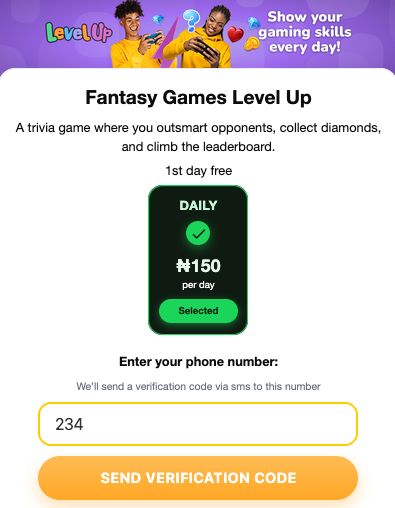
PIN or OTP Submit
Subscribe, confirm, then retype a code sent by SMS.
The extra step loses the most people along the way.
Whoever finishes it was paying close attention, which is exactly the kind of user an advertiser pays more to get.
So yes, higher payouts for PIN Submits.
Sometimes, PIN submits are also called 2-click flows, depending on the network.
Read the affiliate offer instructions to be sure.
As you can see, the more steps, the fewer the conversions.
But it also means higher payout per conversion.
Fewer steps, more conversions, lower payout per conversion.
Header Enrichment
Header enrichment is when the carrier detects the phone number straight from the SIM and passes it to the subscription page over mobile data.
No typing, no waiting for SMS to arrive.
I’ve seen offers labeled as one-click that were actually running header enrichment underneath, since the two feel identical from the user’s side.
A few things worth knowing about it:
- It only works on mobile data. WiFi traffic doesn’t carry the carrier’s detection layer, so those users drop into a PIN flow instead.
- It depends on the connection staying unencrypted enough for the carrier to inject the phone number into the traffic.
- Chrome is enforcing HTTPS by default starting October 2026, which closes that window. Header enrichment can’t read into encrypted traffic.
We’ve got a whole guide talking about mVAS Conversion Flows, check that out for more info.
Best Ad Formats and Ad Networks to Use
So you’ve got your flow figured out and your creative ready to go.
Time to buy the views and clicks.
Traffic Types to Run in Africa
- Push notifications
Users already opted in to receive them, so you’re reaching someone used to clicking. Start here.
This converts well for 3-Click flows and PIN submit offers.
Your best bet for push ad networks are:
- Pop traffic
Cheapest and has high volume.
Both 1-click and 2-clicks flows work here.
Test with a landing page and direct to see which one works best.
For pop ad networks, we recommend:
- In-Page Push
This ad format looks and acts like a push notification but it appears on websites rather than on the device.
Use your push ad creative, but send them to offers with 1-Click or 2-Click flows as they convert better there.
In-page push ad networks that are performing well right now are:
- Parked domain/Redirect traffic and Direct Traffic
That’s real intent from users who typed something close to a real URL.
This typically converts well on impulse.
If you want to try this out, use any of these traffic sources:
Start Your Africa mVAS Campaigns Today
Stop scrolling telegrams and forums!
The opportunity is real, as you can see.
What’s changed now is you.
You now know why a Nigeria funnel flops in South Africa.
You know the difference between a one-click offer and a PIN flow.
You know why sending the wrong traffic to the wrong one costs you conversions you never even see.
This is what I’d do next if I were you.
Pick one GEO from this list, not the biggest one, not the one your favorite forum poster is hyping this week.
Then go to Mobidea and find an offer for your chosen African geo.
Run a small test and see how it goes!


We'll break down every major mVAS offer category and what makes each one tick, so you can pick the best one for your audience and skills!
mVAS Offer Conversion Flows explained: from one-click flow to PIN submit to SMS billing and more, and how each of them affects your payout.

There are a whole lotta affiliate marketing myths out there! Check them right now and avoid being a sucker in affiliate marketing!