AI in Affiliate Marketing: What’s Really Changing in 2026
Last updated on September 15, 2026 13 min read
Just a year ago, using AI in affiliate marketing meant one thing: using ChatGPT to pump out a blog post in half the time.
And before that, some advertisers and media buyers were playing around with image generation for their ads.
Remember those AI images of people with six fingers?
For good or bad, that’s when AI really started catching people’s eye.
But that’s not the whole story anymore.
Today, AI touches almost every part of affiliate marketing, from content writing and SEO workflows to ad creative generation, competitor analysis, bid management, and even the offers affiliates promote.
It’s in the tools that publishers use to write and fine-tune their content.
It’s in the tools that media buyers use to generate ad creatives, spy on their competitors and manage bids.
And now, AI has become a full category of offers that can be promoted—its own vertical, right next to Dating, Finance, Gaming, and Nutra (Health and Wellness).
Whether you’re writing content, buying traffic or do both, this is for affiliate marketers who want to understand where AI fits into the work now—and where the edge is. In a market that moves fast, the affiliates who use AI well can create faster, optimize smarter, spot opportunities earlier, and tap into new AI product niches before they get crowded.
Let’s get into it!
How AI Is Changing the Affiliate Marketing Landscape
AI isn’t just changing how affiliates work.
It’s changing where traffic even comes from in the first place.
AI Search Is Revolutionizing the Way We Discover New Things
For years, the affiliate playbook was built around ranking high in Google.
That’s not the only game in town anymore.
People are increasingly asking ChatGPT, Perplexity, or Google AI Overviews for recommendations instead of clicking through a list of blue links.
That shift has a name: Generative Engine Optimization, or GEO.
The figures behind this shift are pretty scary.
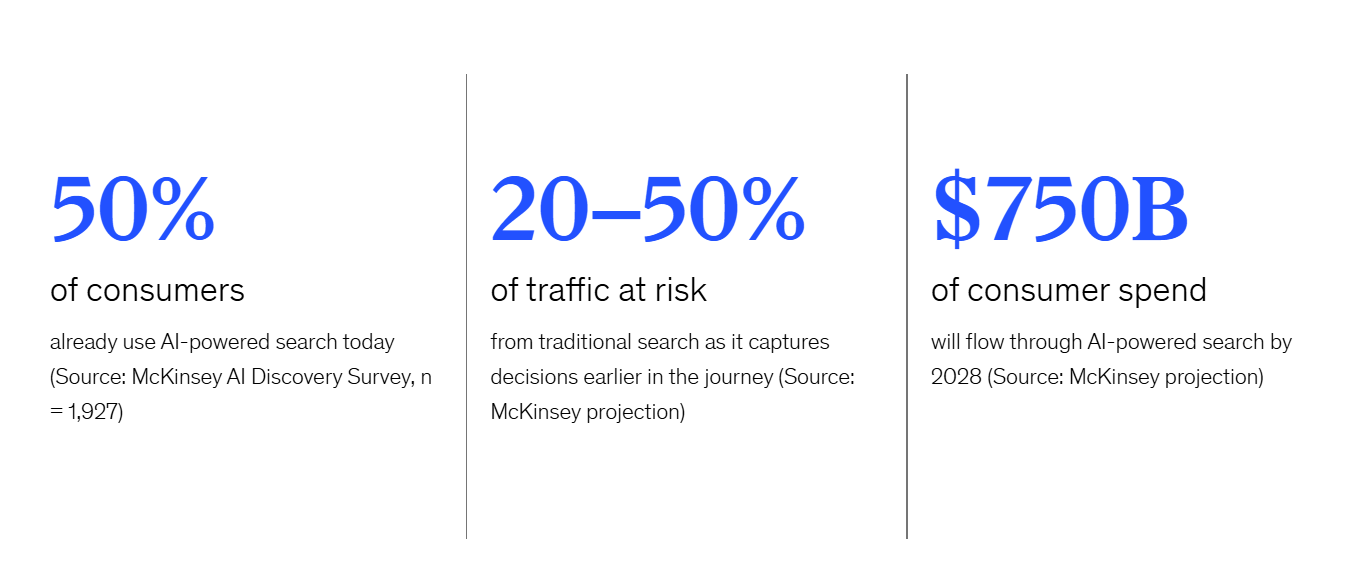
$750 billion is projected to flow through AI-powered search by 2028, according to McKinsey.
Brands that don’t get ready for this could see their traditional search traffic drop by 20% to 50%.
And yet, only 16% of brands are systematically keeping track of how they appear in AI answers.
That gap is exactly why this matters right now—most of the competition hasn’t caught up yet.
Here’s the bit that matters most for affiliates: AI search systems tend to showcase brands through other people’s voices, not their own content.
That means affiliate content (reviews, comparisons, roundups) is quickly becoming one of the most scalable ways to influence whether a brand shows up in an AI answer at all.
But a word to the wise: mass-produced AI content can also weaken visibility in search engines and cut into organic traffic.
Generic AI-generated copy can also lower click-through rates, which makes affiliate content that adds value becomes more important.
Predictive Analytics Are Getting Affiliates to the Party Early
Artificial intelligence tools can now use historical data and data analysis to forecast which products, niches, and rising opportunities are about to get hot before the competition even notices.
That’s a real departure from the old approach of testing blind and hoping something sticks.
Predictive models are also being used to work out the optimal commission rates for different affiliate segments and to match affiliates with the advertisers whose offers actually fit their audience.
Automation Is Taking Over the Mind-Numbing Tasks
Over 60% of affiliate marketers are already using AI in their day to day work, and around 70% plan to use it even more.
That’s not a fringe trend, that’s the baseline now.
Where is all that AI usage actually going?
Mostly toward the tasks that used to take up hours:
- churning out and testing different creative variations
- re-writing and optimising content into hyper-personalized content at scale
- adjusting bids and commissions in real time with ai powered tools
- catching fraudulent traffic before it drains a budget
AI doesn’t replace the strategy and the relationships that make affiliate marketing work.
It removes the grunt work and helps streamline operations, cutting time and cost, so there’s more time for the parts that actually drive revenue.
The AI Tool Stack Affiliates Actually Use
Talking about AI trends is one thing. Actually running a profitable campaign with AI in your stack is another.
Not every affiliate uses AI in the same way.
A publisher writing SEO content and a media buyer running paid traffic aren’t looking for the same tools, even though they’re both “using AI”.
One is optimising articles and researching keywords.
The other is generating ad creatives and spying on their competitors’ campaigns.
So instead of one long, generic list of “AI tools for affiliates”, this section splits the stack in two: the tools that publishing and SEO-focused affiliates rely on, and the tools that media buying affiliates actually use day to day.
There’s also a shorter list of tools that both sides tend to use, mostly around tracking.
Wherever you sit on that spectrum, there’s a good chance AI is already part of your workflow.
Let’s break down exactly where.
For Publishing and SEO-Focused Affiliates
If your traffic comes from content, rankings, or an email list, this is your bit of the stack.
AI for Content Generation
Nobody’s got time to stare at a blank page anymore, and honestly, why would you?
The first draft of almost anything you’d need as a publisher is now handled by AI.
Writing the following:
- product reviews and comparison articles
- email sequences
- ad copy
- social media posts
- blog posts
- product descriptions
You still set the direction.
You still bring the human touch that makes a review worth reading, and AI-generated drafts still need editing for quality and SEO.
AI just clears the way so you can jump straight in where it counts.
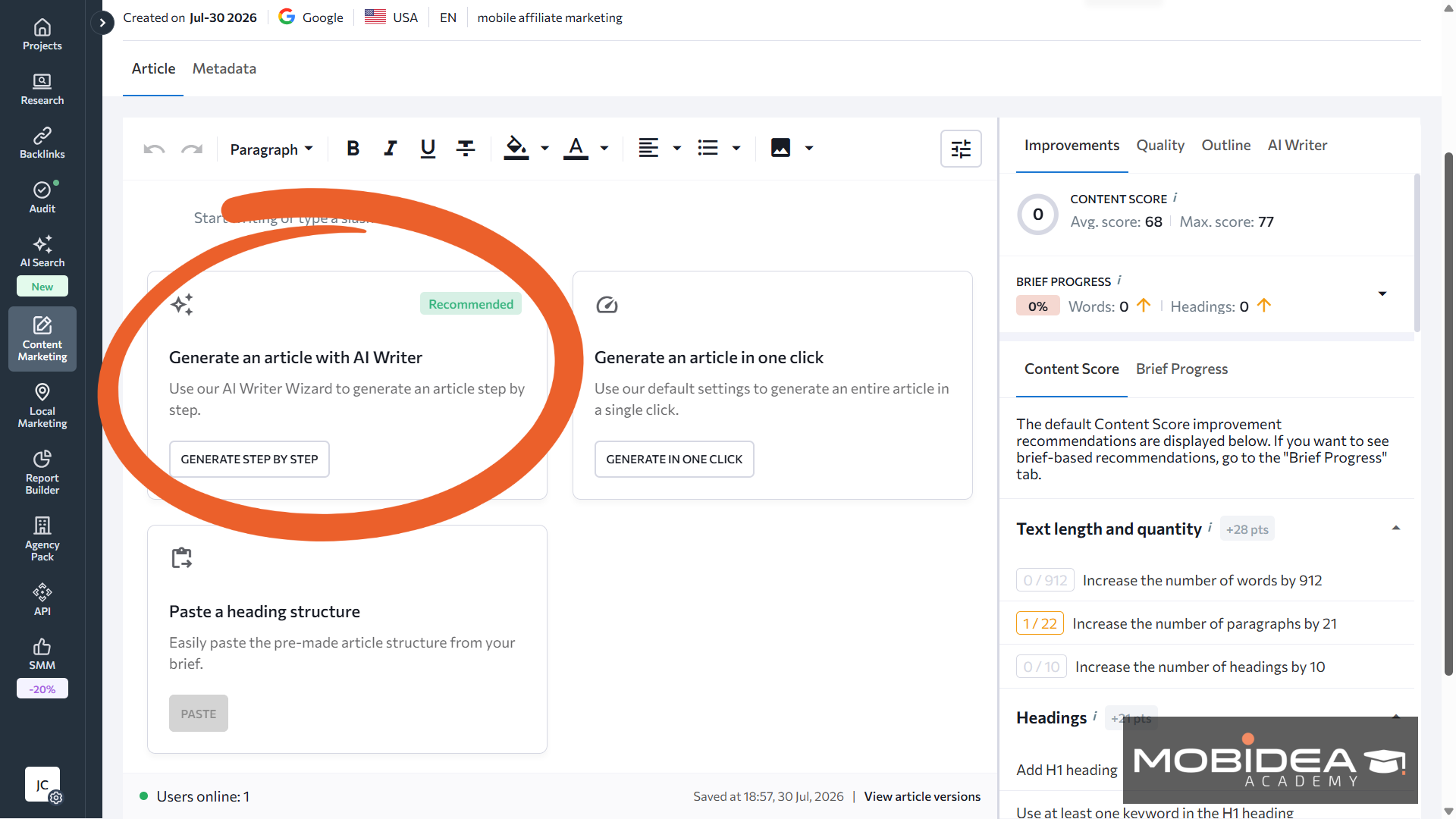
Tools like ChatGPT, Claude, or Jasper just clear the deck.
They let you focus on the good stuff.
Some are ai powered copywriting tools for affiliate marketers who create content, allowing them to produce in minutes rather than hours.
Others lean towards getting people to take action, such as email sequences and CTAs that actually sell something.
Most publishers end up using two or three different ones because no single tool does it all that well.
AI for SEO Research & Optimization
The not-so-glamorous truth about SEO is that a big part of getting it right is knowing what to write about before you even start.
And AI is getting really good at this bit.
These new SEO tools handles:
- Keyword research
- Competitive analysis
- content ideation and suggesting topics
- Content scoring against what’s already ranking
- content planning
- Automating internal links for better site navigation
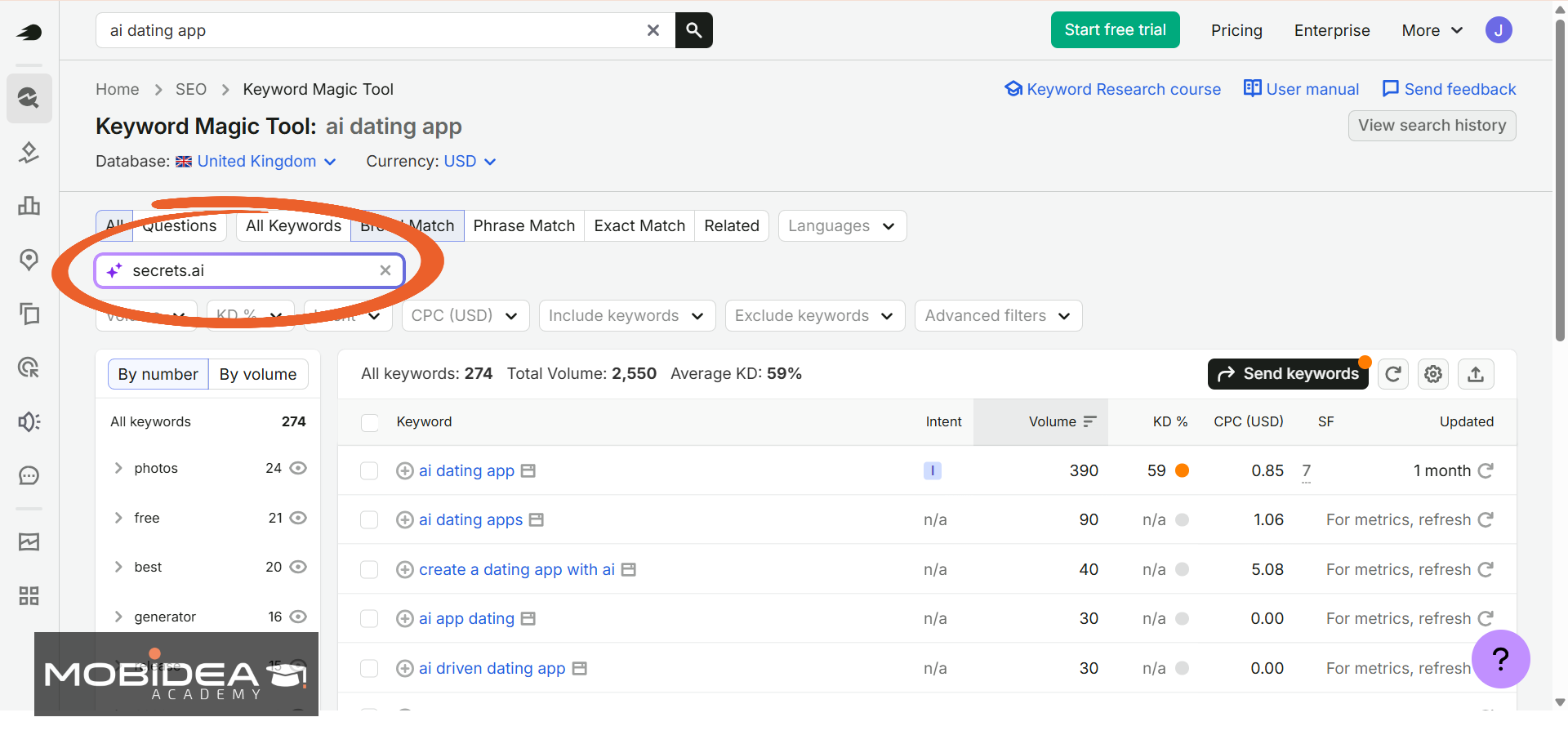
Some tools can knock out a full, ranking-optimised article in under 20 minutes flat, and its scoring system usually lines up pretty closely with actual ranking positions once it goes live.
Some of these AI tools can even analyze large data to share valuable insights and find content gaps.
Good examples are Semrush and SERanking.
AI for Visual & Creative Support
A wall of text is going to fall flat, no matter how well you’ve researched it, unless there’s some decent eye candy next to it.
And that’s where AI comes in. It’s closed the gap between “I need a visual” and “I’ve got a visual”, without needing a design degree or a bunch of freelancers on retainer either.
That covers all sorts of visuals. Static images, blog graphics, comparison shots, images for social media posts, and even short vids with sound.
That’s genuinely useful when you need five or six different versions to test against each other instead of just winging it on one.
AI for Video Production and Repurposing
One piece of long-form video content chopped up properly turns into a week’s worth of content.
That’s the whole pitch.
AI tools take a single long-form video and instantly:
- Cut it up into ten or twenty short clips
- Add captions in
- Resize each clip for whatever platform it’s heading to
Throw that with a captioning tool and a scheduler, and you’re churning out video scripts and social media content for different social media platforms, with some tools even editing video files directly while repurposing clips, so you’re churning out loads of content without much extra effort on your end.

AI for Search Visibility Tracking
This is a relatively new one, and it ties in with the GEO trend we covered earlier.
Instead of tracking where you rank on a search results page, some tools now track something a bit more useful: whether your content is actually showing up inside a chatbot answer, and what to fix if it isn’t.
Some search tools also provide real time insights into changes in the brand’s visibility and finding industry trends.
Most of your competitors aren’t bothering with this yet, which is exactly why you should keep an eye on it and use these tools to protect your website’s content visibility as AI search evolves.
For Media Buying Affiliates
If most of your traffic comes from paid campaigns, this is the bit of the stack that’s built for you.
The bottleneck’s never been the buying—it’s just coming up with enough creatives to keep testing on before your audience gets bored of seeing the same ads.
AI for Ad Creative Generation
Creative or ad fatigue is real, and it moves bloody fast.
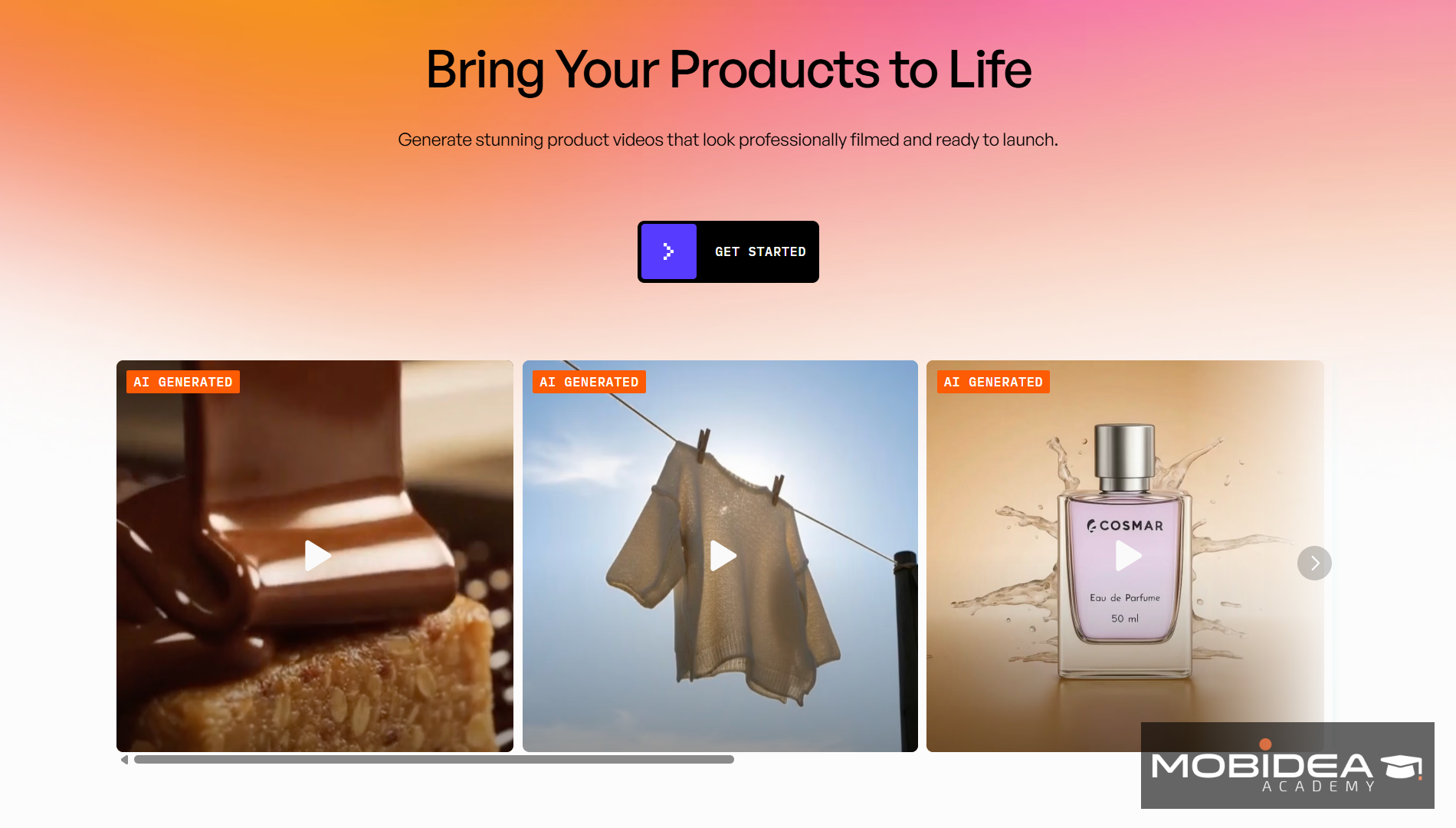
What used to take a designer days now takes AI a few minutes: static images, vid scripts, headlines, body copy, and social media content are generated straight from a product URL or a quick brief.
Tools like AdCreative.ai, Creatify, HeyGen, Synthesia, Runway, and AdsTurbo are ai driven tools widely used across digital marketing and content marketing workflows.
Most media buyers pair one of these up with a demand-side platform (DSP) for the actual buying.
Many of these tools can generate loads of different versions from a single input, which turns creative testing into a numbers game instead of a guessing game.
AI for Predictive Creative Scoring
Generating creative fast is one thing, but knowing which one will actually perform is another.
Every generated creative can now be scored on predicted click-through and brand recall.
That’s a real shortcut past the old trial-and-error approach.
AI for Spy & Competitive Intelligence
Before you even launch anything, you probably want a look at what’s already converting.
That’s the whole point of spy tools, and they’ve gotten a lot smarter.
Some now use AI to just make filtering ads a whole lot faster.
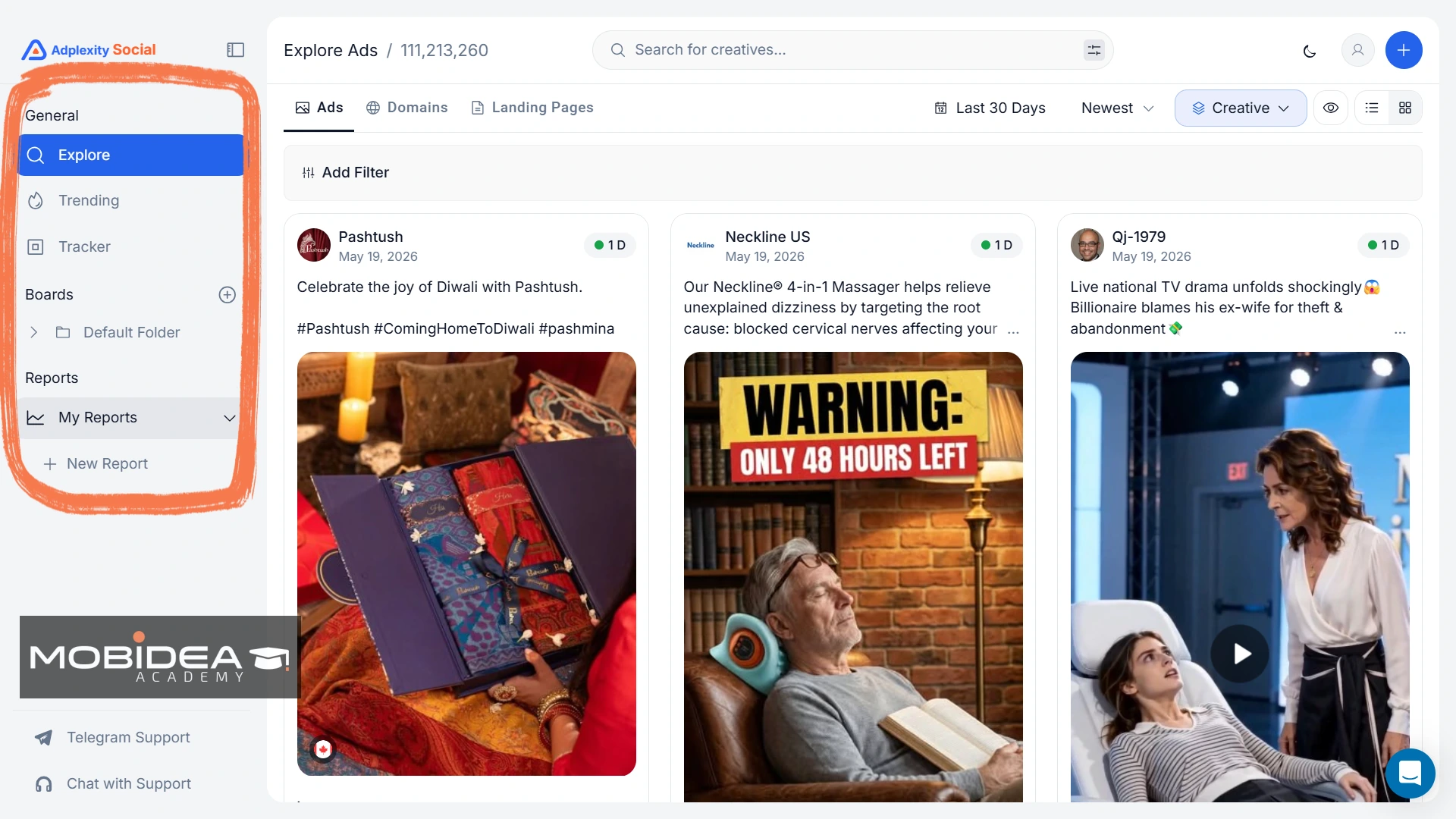
Others can use AI to rewrite copy or edit creatives straight from a spied angle.
A newer breed does even more, pairing spy-level intelligence with AI agents that generate creatives and even buy media against a set of key performance indicators.
Whether you’re looking at Meta, native, push or TikTok, there’s a spy tool built specifically for that platform.
AI for Landing Page & Funnel Building
The landing page where a click ends up on is basically just as important as the ad that brought it there.
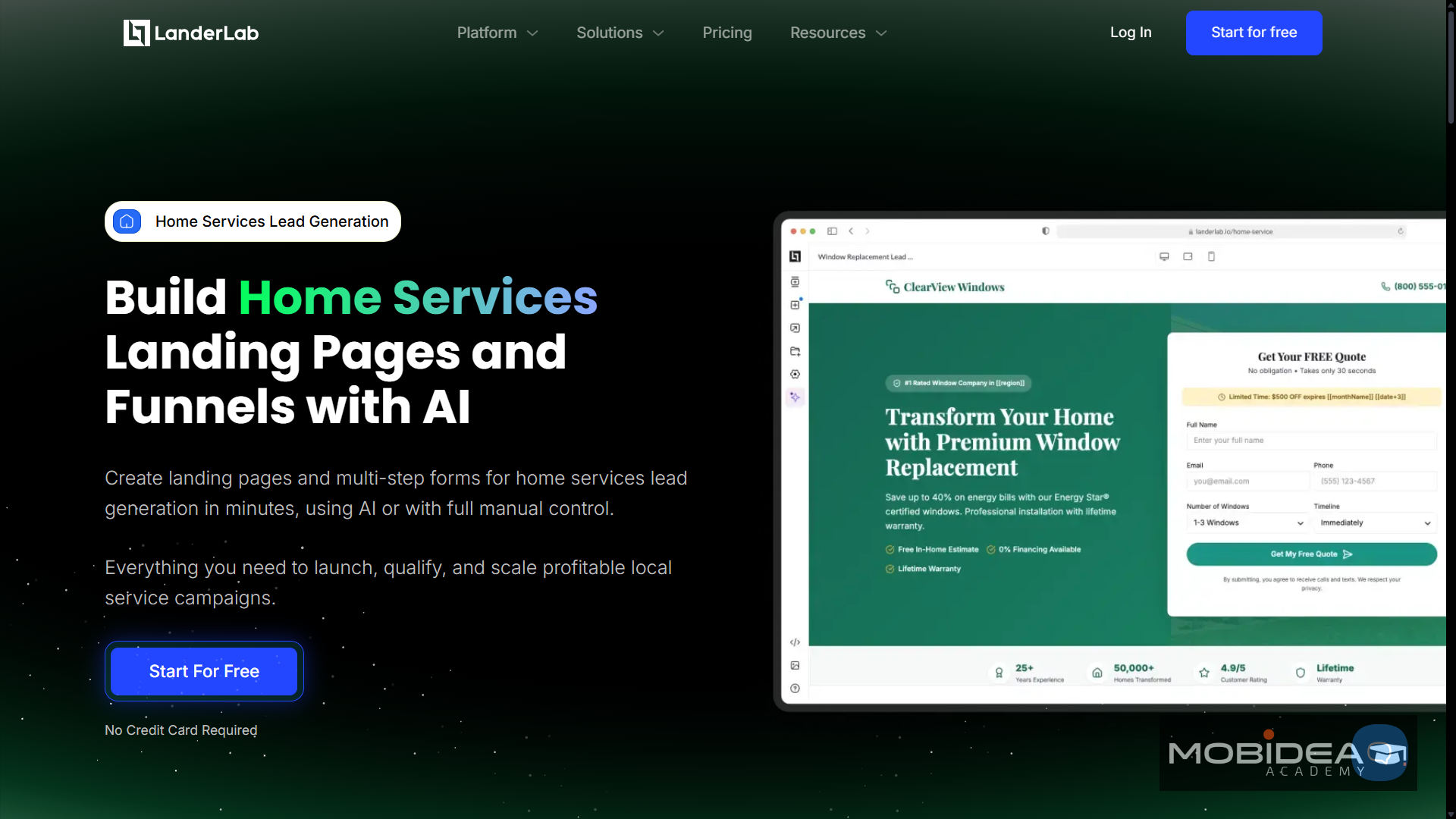
AI-powered landing page builders are now capable of generating a full page, or even a multi-step lead-qualifying quiz, from next to nothing more than a description of the campaign.
Some of them are built specifically around affiliate and performance workflows, with templates and integrations geared up for super fast launches and constant A/B testing rather than generic business websites.
AI Bid and Budget Automation
Manual adjustments to bids across dozens of campaigns just don’t scale, so AI is increasingly doing it for you instead.
Automated rules engines and AI-driven delivery optimisation now handle a lot of what used to be manual babysitting, letting even solo buyers on modest budgets run bulk campaign launches without keeping an eye on every tiny detail.
Both trackers and ad networks are increasing including this feature in their platforms.
For instance, Kadam released its Kadam AI recently, helping advertisers optimize campaigns with ease.
It’s like rules-based optimization, but with better analysis and monitoring.
AI Fraud Detection
Every dollar you spend on invalid traffic is a dollar that never got a chance to convert.
Suspicious clicks and conversions that would otherwise slip through get flagged by AI-driven fraud detection before they slowly eat into ROAS.
Shared Across Both Publishing and Media Buying Affiliates
Some tools don’t really split neatly down the publisher-versus-media-buyer line.
Some sit underneath both workflows, quietly doing the same job no matter which side of affiliate marketing you’re on.
AI for Tracking, Attribution, and Optimization
Whether you’re trying to work out which blog post converted or which ad variation actually drove the sale, you need to know where the money came from.
That’s the entire job of a tracking platform, and AI has made that job a heck of a lot easier.
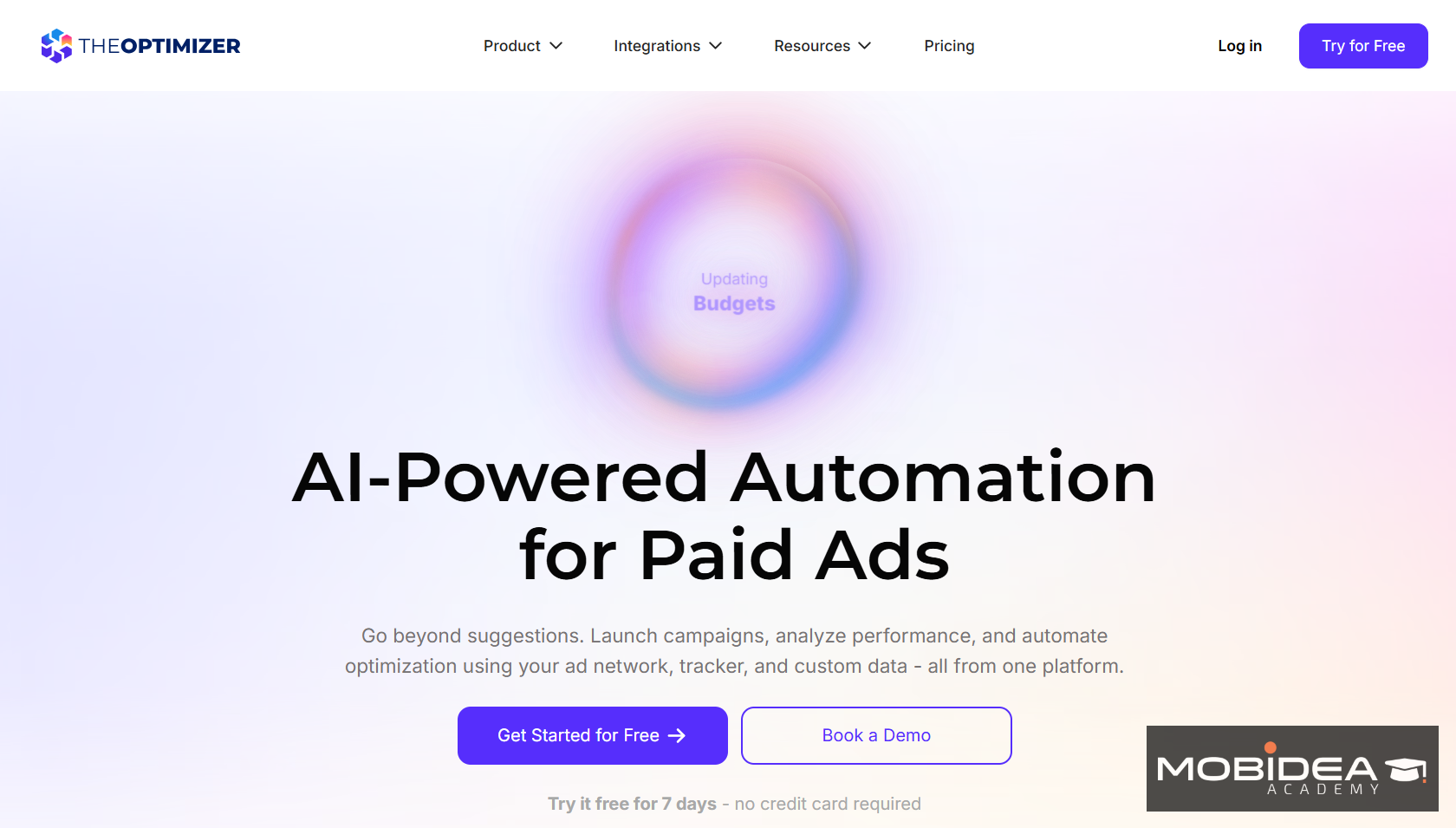
Platforms like Voluum and RedTrack now use AI to spot patterns in performance data that would take a person hours to pick up manually.
Then there’s TheOptimizer, which allows you to build an AI agent that manages and monitors your campaigns 24/7.
Patterns like:
- which traffic sources are quietly underperforming,
- which campaigns are trending before the numbers make it obvious, and
- which conversions look suspicious enough to flag are surfaced automatically rather than dug up by hand.
A publisher uses this to see which content pieces are actually pulling their weight.
A media buyer uses the same platform to see which ad sets are worth scaling and which ones are just burning budget.
It’s one of the few places in the stack where the tool doesn’t care which kind of affiliate you are.
It just cares about the data.
AI as Its Own Affiliate Vertical
We touched on this early on: AI isn’t just something you use anymore, it’s something you can promote and earn from.
Let’s get into what that actually looks like.
Like any vertical, AI splits into several niches, each with its own audience and payout style.
AI Companion and Dating Apps
This corner of the vertical covers AI-powered companion and dating platforms, and it’s doing really well.
Some contain AI agents or AI chatbots that users interact with, much like they would with a real person.
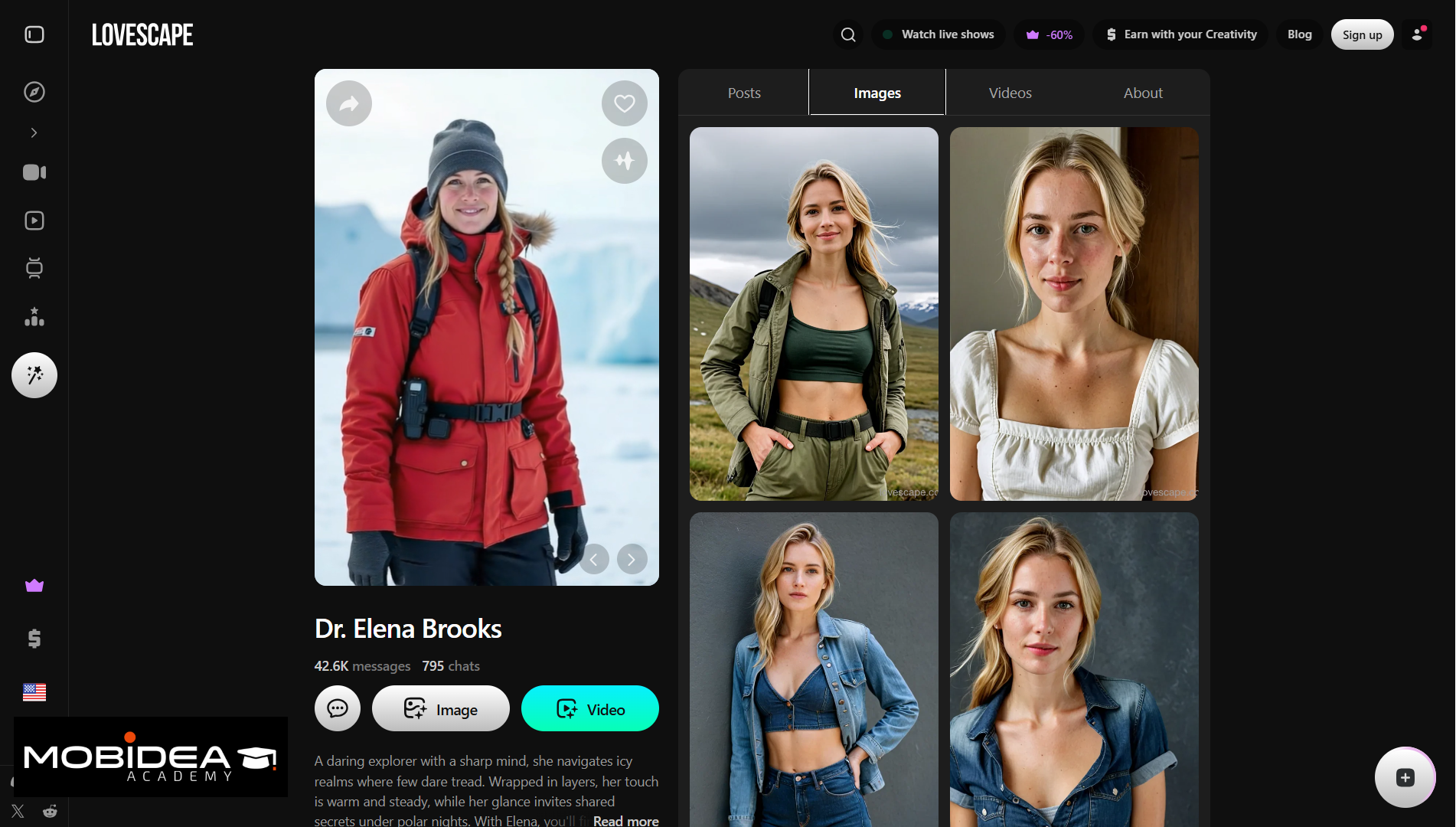
The AI companion market is projected to jump from roughly $48 billion in 2026 to nearly $318 billion by 2033.
If you’re looking for a niche with strong payouts, this is one to consider: some programs offer revshare deals that last for the customer’s lifetime.
We’ve already covered this niche in depth, with strategies and offer picks, in our in-depth AI Dating niche guide.
We also have some live AI dating offers within Mobidea, too.
They’re performing well recently so check them out!
AI Productivity and Business Tools
Writing assistants, SEO platforms and all-in-one marketing suites make up this niche.
What makes it worth your attention isn’t just the tools themselves, but the commission structures behind them: recurring commissions in the 20% to 50% range are paid by some programs, well above the 10% to 20% you’d typically see from older SaaS affiliate programs.
A few even pay for the lifetime of the customer, not just the first sale.
AI Content Creation Tools
This niche covers writing, image, video, voice and design tools built for creators.
Basically the same ones affiliate marketers use, as discussed above, but this time, even for non-affiliates.
Part of the appeal is how generative AI paired with AI assistance speeds up creative work.
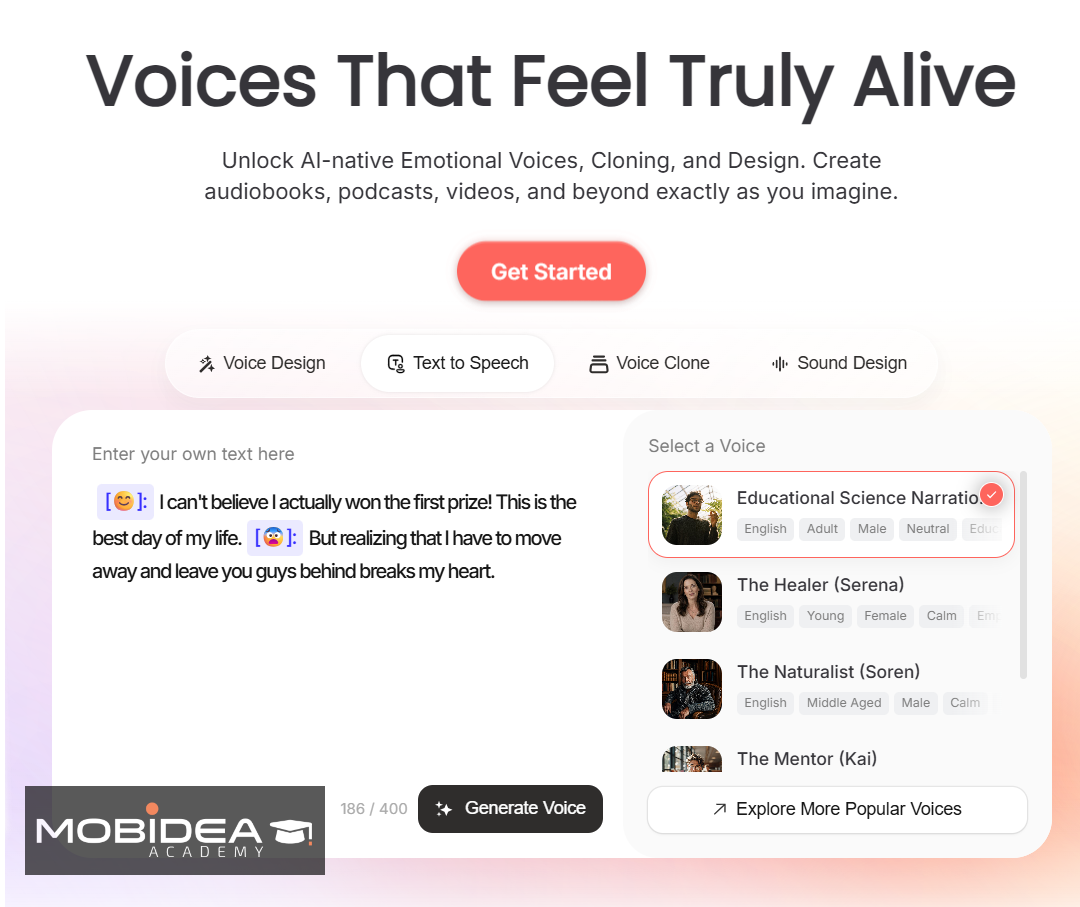
If your audience includes podcasters or e-learning producers, text-to-speech tools are worth promoting because they can turn written content into audio and support content writing workflows.
If they need visual content quick, video and image generators fit the bill.
Many also support faster content production, help create high quality content, can scale content production.
You’re looking at a large niche here, because the creator economy itself is large.
And take note, AI tools built specifically for creators are among the fastest-growing affiliate offers out there.
Niche-Specific AI Apps
Keep an eye on a newer trend: AI tools built for an existing niche, rather than for general use.
Some example would be:
- AI apps for elder care coordination (medication reminders + family updates)
- Pet health triage apps (photo-based symptom check for dogs/cats)
- Hyper-local “find a contractor/plumber” apps with AI-vetted quotes
- AI “wingman” apps that auto-generate matches or auto-chat on your behalf
- Tax-prep copilots for freelancers/gig workers specifically
There’s a great deal of market needs out there, all one needs to do is look deep enough.
That’s worth watching, because it shows AI and niche marketing starting to blend into each other instead of staying separate categories.
You may need to use new AI affiliate marketing strategies to make this all work, as well!
Keep in mind that niche apps that use AI targeting still need to follow data privacy regulations when gathering user data.
Where This Is All Heading
The line between “using AI” and “competing with AI” is getting thinner and thinner.
Search itself is changing shape, with AI answers pulling clicks away from traditional results.
Affiliates who adapt their content and campaigns for that shift now will have a real head start over those who wait until it’s forced on them.
The tool stack will just keep consolidating.
Right now, affiliates juggle separate tools for writing, spying, creative generation and tracking.
Soon, some AI app will contain everything.
And the whole AI affiliate marketing vertical is still in its infancy.
But companion apps, productivity tools and these smaller AI-specialized products are all taking off fast, plus new little corners of the market will keep popping up as the tech gets more advanced.
Getting in early on a space like that, much the same way that some folks did with crypto or NFTs, usually ends up being more lucrative than trying to jump on a bandwagon that’s already crowded and noisy.
None of that changes the basic principles of affiliate marketing.
You still need to get a real feel for your target audience, keep testing & optimizing, and above all else, keep an eye on the numbers.
What AI does is accelerate the whole process, helping you produce high converting affiliate content more efficiently so your work is more likely to earn more money.
The affiliates who treat AI as a serious, core part of their toolkit and not some flashy gimmick are the ones who’ll be leading the pack in a year’s time…. or maybe less!



Learn how to become a super affiliate by following these 10 simple steps!

Get to check this awesome Zac Johnson master class and understand why you must nail your sales funnel to succeed in online marketing!

Clickadu expert explains what are the best performing banner ads in 2022.