SEO for Affiliate Marketers: Tools You Need to Rank and Earn More
October 27, 2026 12 min read
Imagine this: you’ve spent hours designing your new affiliate marketing website.
Every detail is perfect.
The content is compelling.
The visuals are sleek.
It’s ready to impress.
Yet, days turn into weeks, and the traffic never comes.
This happens to many webmasters.
The missing piece? Search Engine Optimization (SEO).
Whether you’re an expert or a beginner in content marketing, SEO for affiliate marketers is essential to help you boost your presence.
Why Use SEO Tools for Your Affiliate Marketing Website?
Search Engine Optimization is the bridge that connects you to potential visitors by boosting your website’s visibility on search engines.
An optimized website enjoys a higher ranking and greater traffic since users trust top results.
And what do you get when you rank high?
Traffic, of course!
The higher you place on the SERPs (Search Engine Results Page), the more free traffic you get.
The thing is, before you achieve that coveted top spot, you’ll face a few challenges along the way.
The Challenges of SEO for Affiliate Marketing Sites
1. Google’s Ever-Changing Algorithm
Google’s algorithm updates keep us on our toes as they are unpredictable.
These updates can feel profound; if you don’t analyze them properly, you might feel like you’re wasting your affiliate marketing efforts.
Every time Google reveals a new update, there’s a possibility that it may cause confusion and a sense of helplessness, like trying to hit a constantly moving target.
What worked yesterday might not work today.
With thousands of changes a year, it’s no wonder that keeping up is a full-time job.
Until now, Google has released what they call Core Updates with less transparency about what these updates are about and for.
For publishing affiliates, the stakes are even higher.
One core update can push your best review page from page one to page three, and your commissions follow.
Heck, review and comparison sites are often among the first to feel it.
2. Researching Keywords Can Be Difficult
Keyword research lets you discover the best keywords to target and gives you valuable insights into the queries your audience is searching on Google.
These insights from real search terms can shape your content and enhance your overall affiliate marketing SEO strategy.
But it doesn’t stop once you have published that content—you have to adapt and think strategically about how you would use these keywords.
To top it off, finding the right balance will take a significant amount of your time.
Affiliates face an extra catch.
A keyword can bring thousands of visitors and still earn you nothing if those visitors only want information.
The real goal is traffic that is ready to buy.
3. The Quality of the Content Must be Maintained
Algorithms are getting smarter.
They can spot low-quality content from miles away, making it essential for you to create more content that offers great value to your audience.
Thin affiliate pages are an easy target for this, like reviews that only repeat what the merchant already says.
If your page adds nothing new, it won’t hold its spot for long.
But how can you ensure what constitutes “good quality” for Google?
That’s something you need to constantly keep track of.
4. Some Aspects of SEO Can be Highly Technical
This is one you should put weight into—no matter how polished your website looks and how great your content may be, if your website is a technical mess, it will not rank.
You have to keep testing your links, load times, and mobile optimization.
For affiliates, this directly affects earnings.
5. Requires Consistent Performance Tracking
You’ll have to monitor several metrics at once constantly, and it can be overwhelming to know where to start.
Here are some metrics you should learn about and keep track of:
- Organic Traffic
- Bounce Rate
- Click Through Rate
- Domain Authority
- Pages Per Session
- Conversion Rate
And this is just the tip of the iceberg.
6. Keeping Track of Competitors is Necessary
Knowing how high-ranking competitors are doing it can help you improve your SEO strategy.
This means gathering insights like the keywords they use, the content they release, and their link building strategy.
Affiliates get a bonus here.
The review and comparison pages your rivals rank with also show which offers they promote and how they present them.
If you have several competitors in mind, you would have to observe and take note of them all, which can sometimes feel like an overwhelming task.
How SEO Tools Can Be Good for Affiliate Sites
Considering the time spent addressing each challenge, staying on top of your tasks is hard.
If you feel stuck with SEO, you are not alone.
Many website owners and marketers share your frustration.
It’s disheartening that after hours of work optimizing content, you find your website on the twelfth page of the SERP.
While SEO is a vast riddle, it’s not unbeatable.
Fear not: SEO tools are here to save the day.
They can help you take these challenges one by one:
✔️Provide recommendations based on the most recent Google Updates
✔️Hasten your keyword research process
✔️Help you craft killer content
✔️Suggest technical improvements
✔️Give you in-depth insights on your SEO performance
✔️Monitor your competitors with ease
✔️Automate your most time-consuming processes
With the right tool, you can beat the pressure of nailing each challenge.
Just imagine having an ace behind your back during a card game.
Affiliate Marketing and SEO
Paid traffic is like renting a billboard.
Stop paying and it’s gone.
A page that ranks organically will keep sending visitors long after you publish it, so one good review can keep earning commissions for months.
There’s a trade-off, though, and that’s speed.
A new page can take months to rank.
Some never even do!
That’s why what you publish matters as much as how you optimize it.
You should start with reviews and comparisons, since they sit closest to the sale.
Quick note here: Aside from the different affiliate site types, there are also different types of affiliate marketers.
If you’re using SEO to gain organic traffic, you’re a publishing affiliate.
Google also checks what your page adds to the online discussion.
Pages that copy the merchant’s description with no original content fall under its thin affiliation spam policy.
Something like your own testing and screenshots can set you apart.
There are two habits that can protect you as you grow.
First is marking affiliate links as sponsored.
Second is putting a clear disclosure near them, in plain words and before the reader reaches the first link.
Remember: the strategy is really simple.
But keeping it going across dozens of pages is the hard part, and that’s where SEO tools help.
Types of SEO Tools that Affiliate Marketers Can Use
Now that you know why SEO tools are important, let’s explore the types available in the market.
Each offers unique features to enhance website performance, boost rankings, and drive traffic.
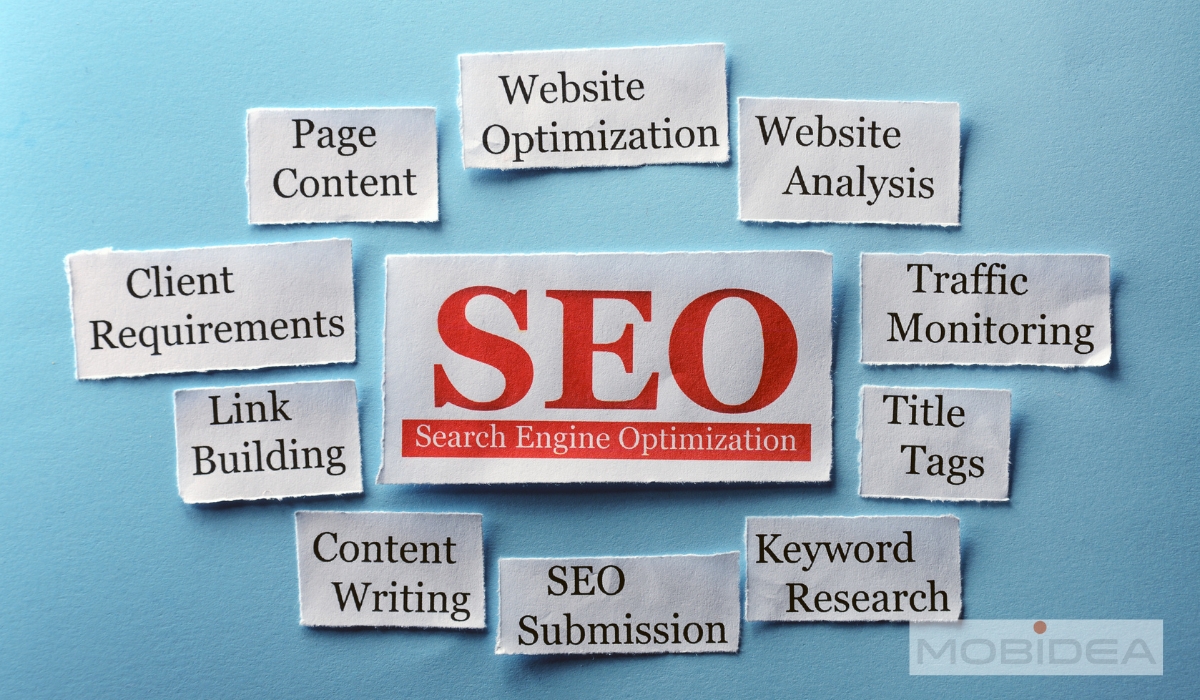
Here they are:
All-in-One SEO Tools
This type is the jack of all trades, a comprehensive suite that includes everything you need to optimize your website with features like:
- Keyword research
- Site audits
- Backlink analysis
- Rank tracking
Think of all of these squeezed into one platform.
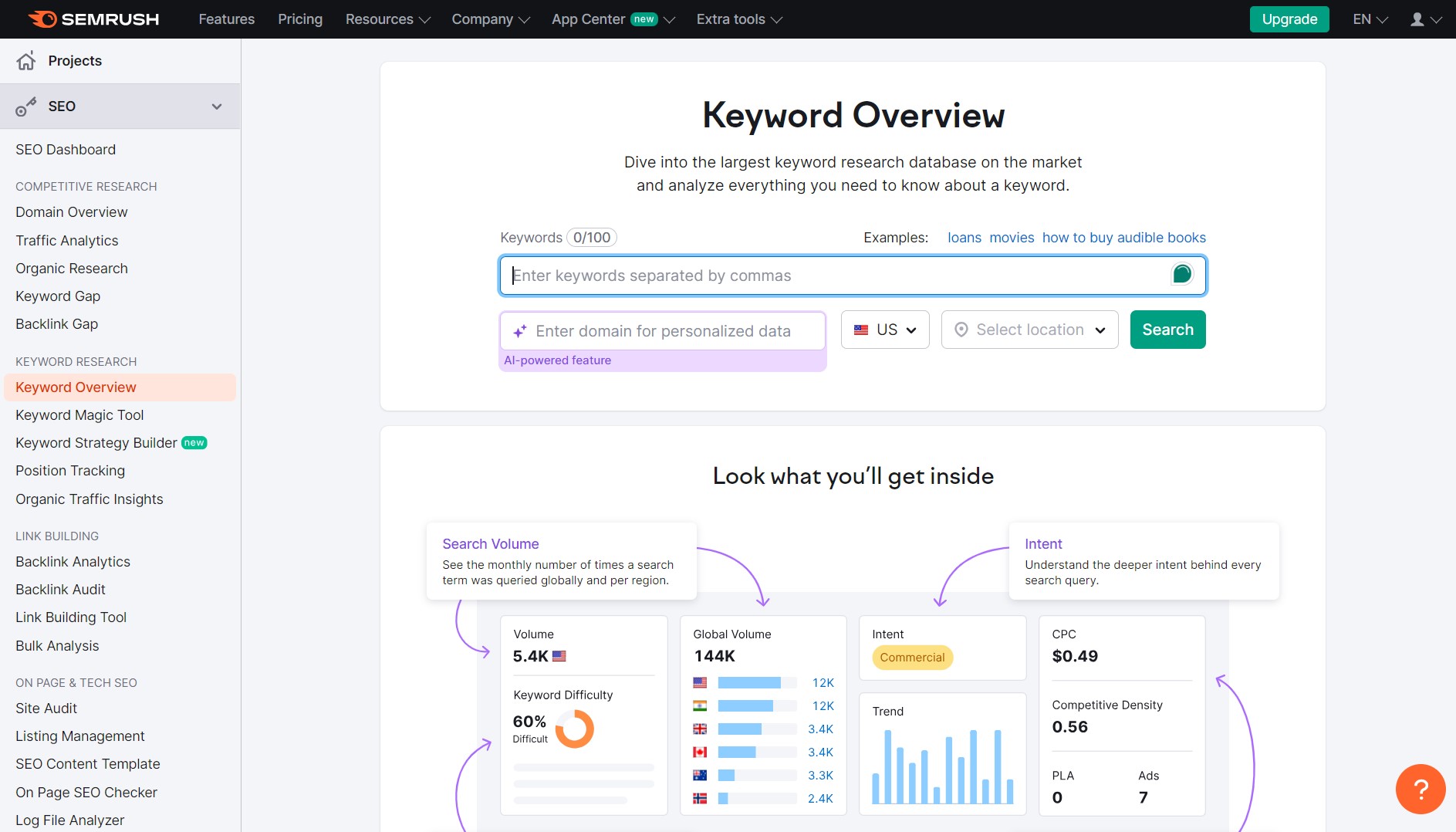
Publishers who run several niche affiliate sites feel this the most.
You can check each site’s rankings and links in one dashboard instead of switching between tools.
It saves you time and boosts your efficiency, making it cut out for both beginners and advanced users.
Analytics and Attribution Tools
Everyone should be able to answer this question: which of your pages make money?
You’ll need analytics and attribution tools to get the answer.
Google Analytics 4 and Google Search Console give you insights into which pages and searches are attracting traffic to your site.
With attribution, you’re assigning that traffic to commissions by adding a unique sub ID to your affiliate links on each page.
Your network reports will then tell you which pages convert.
Both are free, which makes them the first tools you can set up.
While analytics will let you know how many clicks your affiliate links have been getting, the commissions will only be available to your network.
You’ll need to link the two together manually.
Keyword Research Tools
These tools help you discover the keywords your potential customers use in search engines.
They identify high-volume keywords for driving traffic (which can be challenging) and low-competition keywords for easier ranking.
For affiliates, buyer intent comes first.
Filter for words like “best,” “review,” “vs,” and “alternative.”
Someone searching “best antidetect browser” is ready to choose, which is exactly who clicks your affiliate link.
I’d start with “alternative” keywords, since they often face less competition than “best” ones.
Google Keyword Planner is a free place to start.
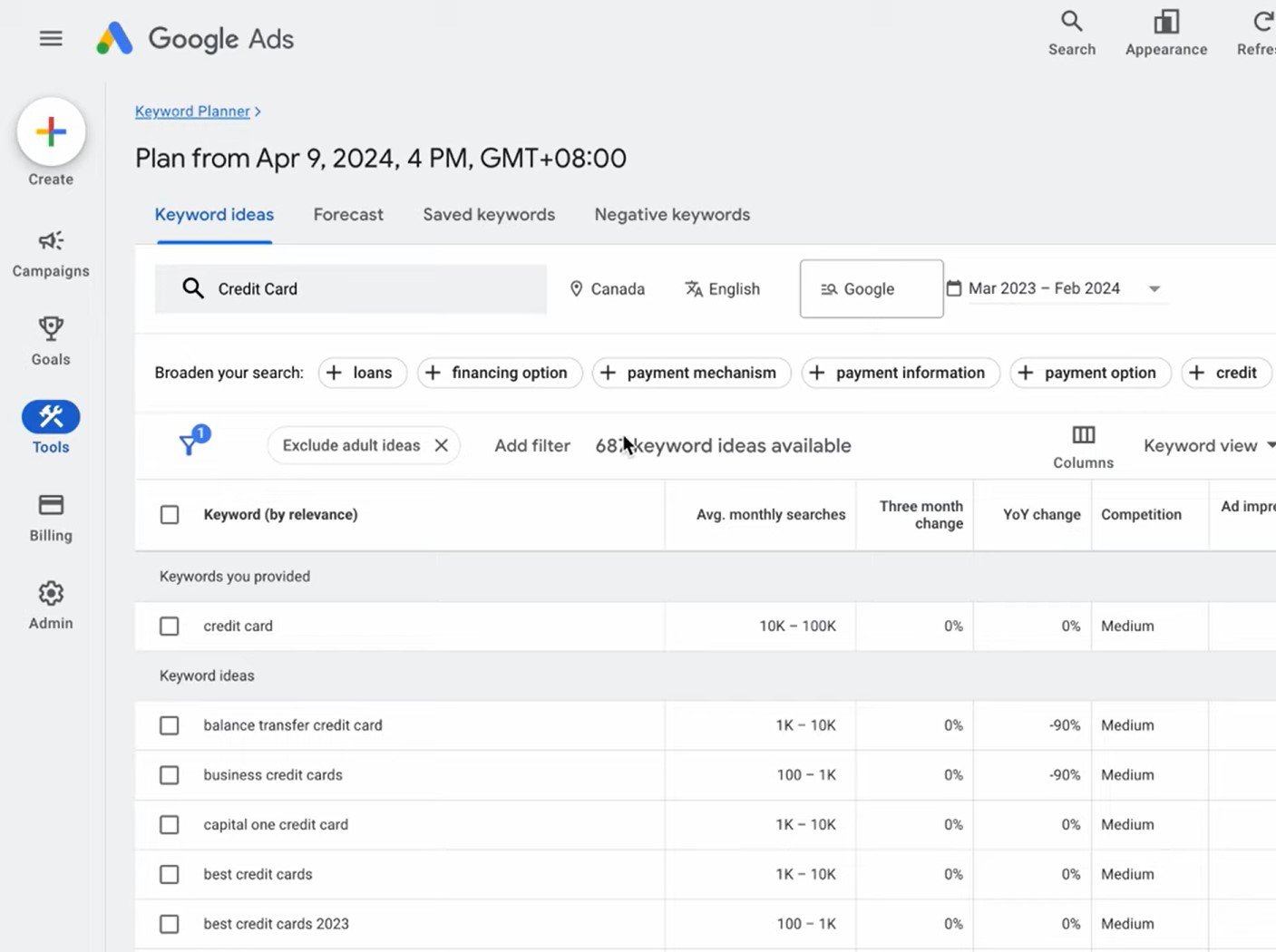
You’ll need a Google Ads account, and even without running ads it shows search volume as broad ranges.
Use these tools to hit the bullseye every time!
Related Reading:
- How to Research Keywords with Google’s Algorithms in Mind
- Keyword Search Volume, Or the Most Important Feature of a Keyword Tool
Content Optimization Tools
Content optimization tools compare your draft to content that is currently ranking for your keyword.
They provide suggestions for additional terms and topics that you may have overlooked.
For affiliate marketers, this is the easy way to find out what buyers are looking for on a review or comparison page.
Is the top result talking about price and alternatives?
If your listing isn’t, you’re giving the users a reason to click back.
They are good even on old pages that have already dropped in the rankings.
One warning: don’t chase a perfect score.
A 95 won’t save a review that nobody actually tested.
Rank Tracking Tools
Rank tracking tools monitor your site’s performance, revealing which pages of your website appear on targeted keyword searches.
For affiliates, the biggest wins often hide in striking distance, meaning positions 8 to 20.
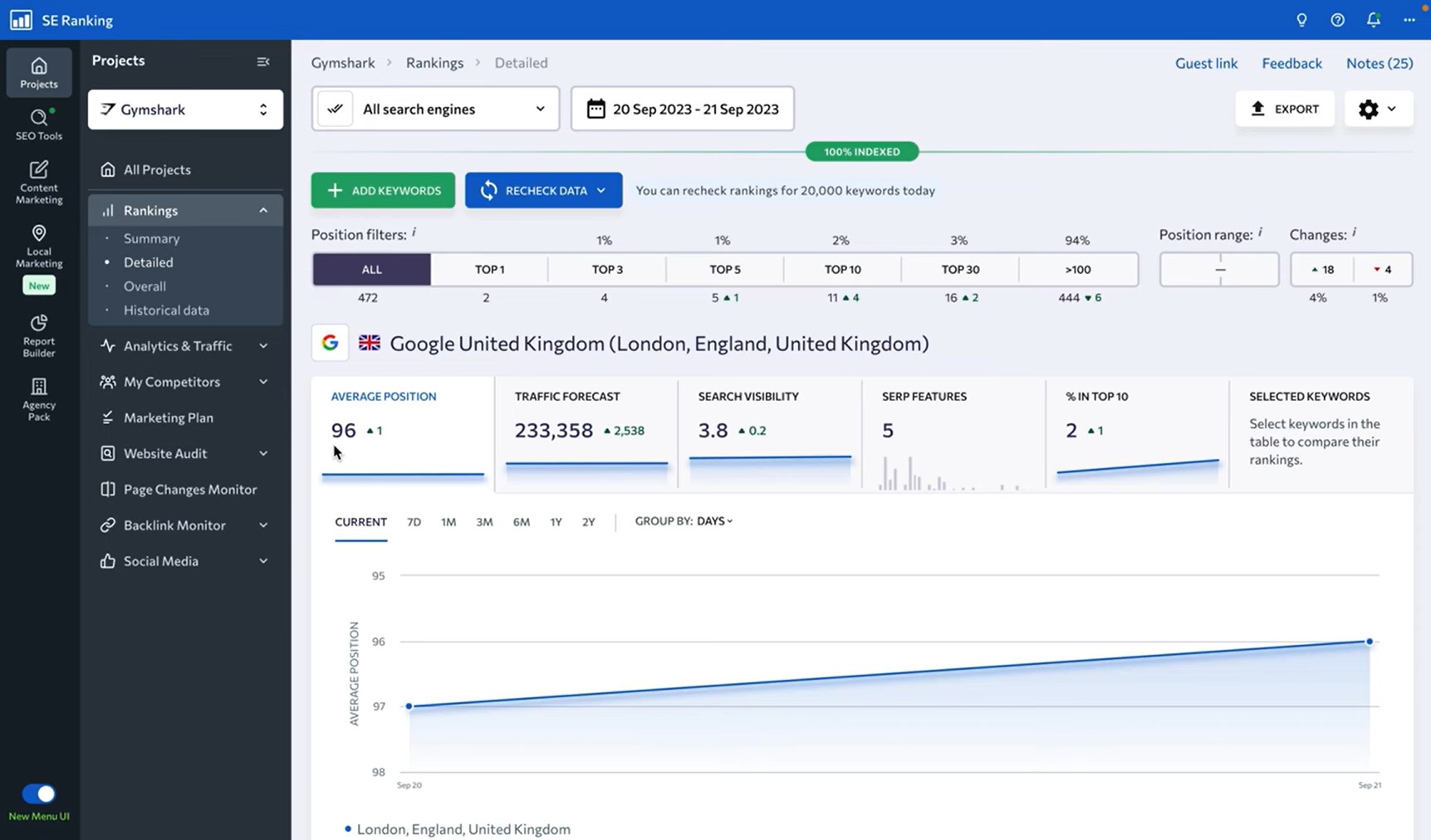
A review page stuck there is one refresh or a few new links away from page one, where most of the clicks happen.
I’d check this group first when you want quick wins.
Use Search Console’s Performance reporting to show each page’s average position for free, so you can spot these pages without paying for a tracker.
You can use this data to make informed decisions and achieve better results.
AI Search Visibility Tools
More readers now ask ChatGPT or Perplexity for product picks before they ever open a review site.
And Google’s AI Overviews can answer a question right on the results page.
AI search visibility tools report the amount of traffic your site gets in search answers if it is mentioned or referenced.
It also reports how well your competitors fare.
Treat this as a smoke alarm for traffic that doesn’t hit your site.
Keep in mind this category is still very young.
The results will change with your response and the day.
Use the numbers for direction and not as a verdict.
SEO Audit Tools
Affiliate pages go stale fast.
Offers end and payouts change, but the old links often stay on the page.
It’s like an empty shelf in a store: readers click through to nothing (and rarely come back).
A good audit tool flags broken and redirected links, so you can catch dead offers before your readers do.
These tools help you identify and fix your site’s issues for better health and effectiveness.
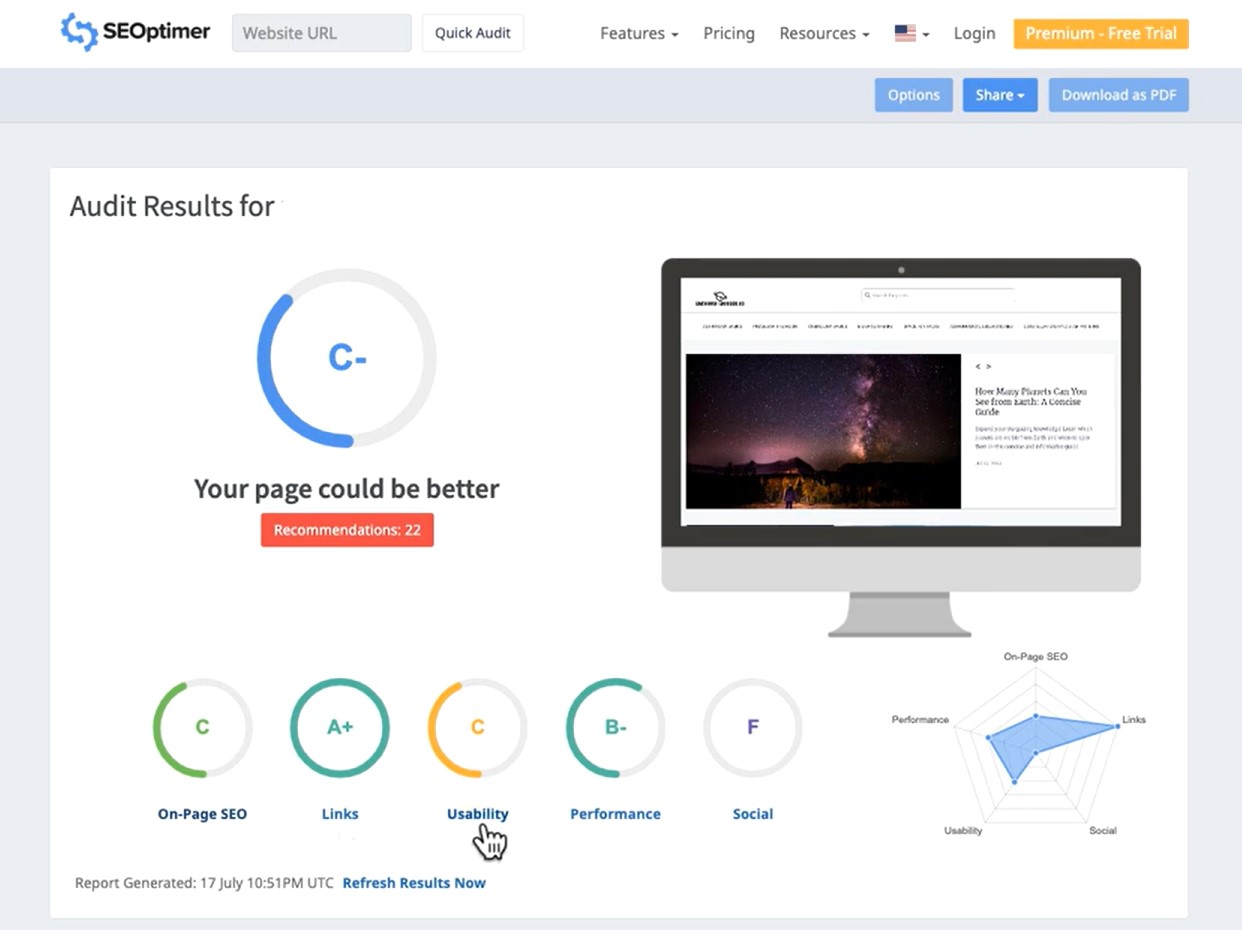
There are two types available.
On-page audit tools focus on elements you can control, such as:
- Content quality
- Keyword optimization
- Meta Tags and Meta description
These tools not only help you identify which areas are lacking but will also provide recommendations on how to optimize your web pages for search engines.
Many of these tools have WordPress plugins since a majority of today’s websites use WordPress for its Content Management System (CMS).
Off-page audit tools assess external factors like:
- Backlinks
- Domain Authority
Use off-page SEO tools to analyze aspects outside your website that cannot be controlled internally or within your website.
Site Speed and Core Web Vitals Tools
Core Web Vitals are Google’s way of measuring how quickly a page loads and responds, and how stable it feels while someone reads.
Speed tools, such as PageSpeed Insights, test a page and show you what slows it down.
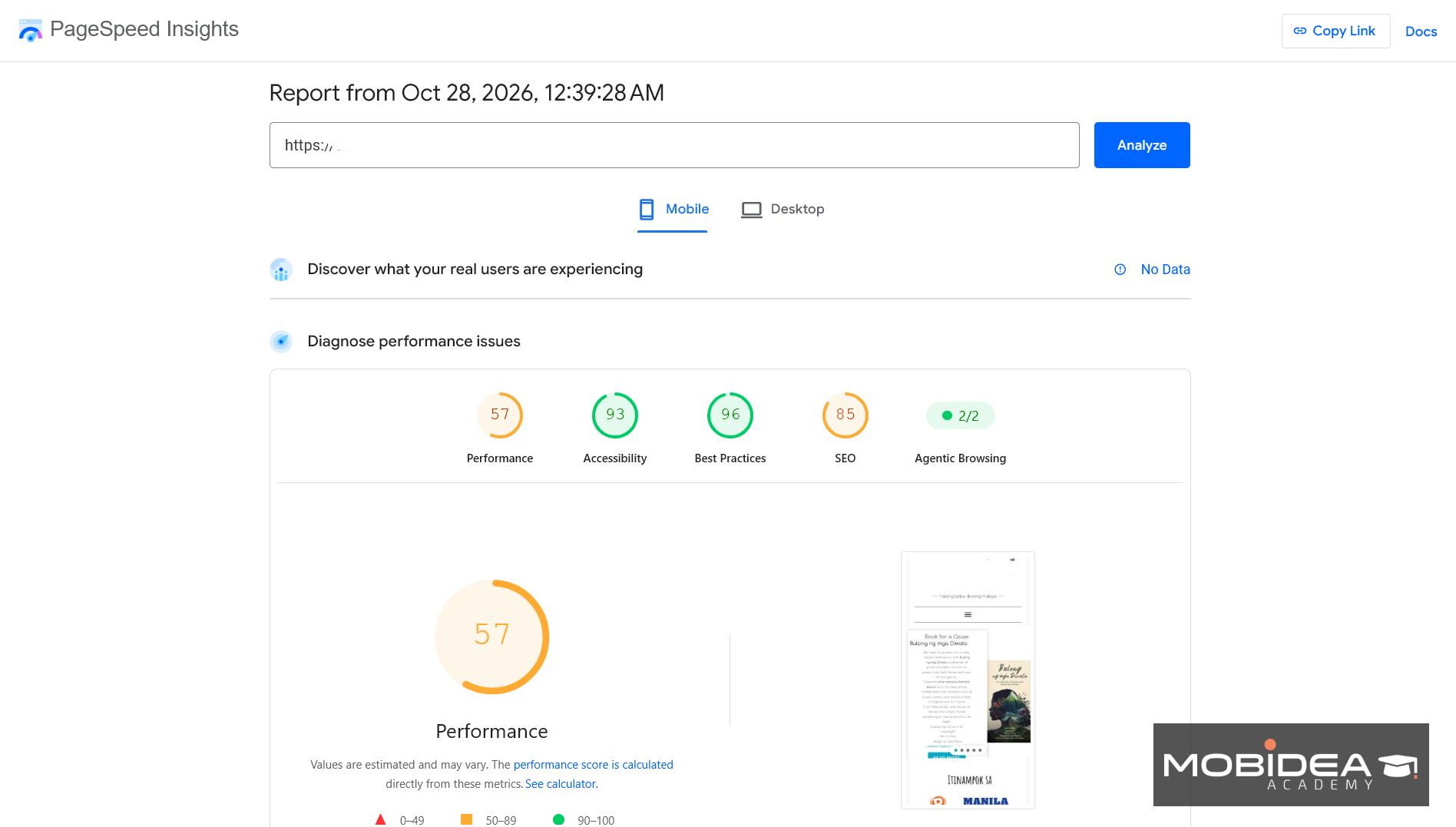
Affiliate pages tend to be heavy.
The product images, the comparison tables, the pop-ups, and the banner scripts all add up fast, and many of your readers are using their phones.
Start by optimizing the images, as they’re usually the easiest area to reduce weight.
Don’t chase a perfect 100 though.
Real-user data matters more than a lab score, so check both.
Backlink Tools and Checkers
Backlinks are links from other websites that point to yours.
Google treats them like votes of trust: the more good sites vouch for you, the better your chances of ranking.
Backlink tools and checkers show you who links to you and how strong those links are.
Some also reveal where your competitors get theirs, so you can go after the same sites.
Here’s what they usually do:
✔️Backlink analysis: See every site linking to you, plus the anchor text each one uses.
✔️Link quality scoring: Scores like Domain Rating or Spam Score help you tell strong links from weak ones.
✔️Competitor research: Find sites that link to your rivals but not to you. These “link gaps” make great outreach targets.
✔️Backlink monitoring: Get alerts when you gain a link or lose one.
✔️Toxic link detection: Spot harmful links and build a disavow file to send to Google.
For affiliates, link gaps often show up on roundup posts and “best of” lists.
If your rivals are listed and you’re not, you know exactly who to pitch.
A backlink checker is like a quick health check for your link profile.
A full backlink tool goes deeper and helps you build links too.
Most all-in-one suites include a backlink module, but standalone tools can give you deeper data or a lower price.
Heck, some are even free!
My advice: start with a free checker, then upgrade when you need more.
Affiliate Program Link Management Tools
This one is not talked about in many SEO articles, but your income is in your links.
Link management tools help you organize your links and a lot of them are WordPress plugins.
A good one can:
✔️Cloak long tracking URLs into short, clean links.
✔️Add rel=”sponsored” automatically, which is what Google recommends for affiliate links.
✔️Show which links and pages get the most clicks.
✔️Let you change an offer link once instead of editing every post by hand.
One caution: cloaking tools add a redirect, so test your links after you set them up.
Some affiliate programs also limit link masking, so check your network’s terms first.
Understanding the different types of SEO tools helps you appreciate how each enhances your affiliate marketing site’s performance.
But with so many options available, how do you choose the best one?
How to Choose the Best SEO Tool: 8 Tips
It’s important to know what functions are essential to reaching your goals.
Different tools offer unique features, and here are a few key points you should consider.
1. Identify Your Needs
Finding your perfect SEO tool can be overwhelming.
Try searching the internet; you’ll find lots of tools with the same features.
Some are unique and some are pretty over the top.
To save time and money, start by listing your primary objectives.
Whether it’s to increase organic traffic, improve SERP rankings, provide better content based on SEO requirements, or have a better site health overall.
2. Evaluate Features
You will use these tools mainly because of their features.
Choose tools based on the features you’ll actually use.
Here’s a quick guide of features and how it can help you:
One thing the table can’t show you is data quality for your own market.
Keyword databases vary by country and language, and they’re often thinner outside the biggest markets.
If you target specific geos, test the numbers for yours before you commit.
3. Consider Usability
When using a new tool, there’s often a learning curve.
You don’t want to spend more time figuring out the tool than actually doing the work.
Consider the tool’s ease of use and analyze whether its interface is user-friendly.
By choosing a tool with an intuitive interface, you’ll spend less time learning and more time optimizing.
4. Check Reviews and Ratings
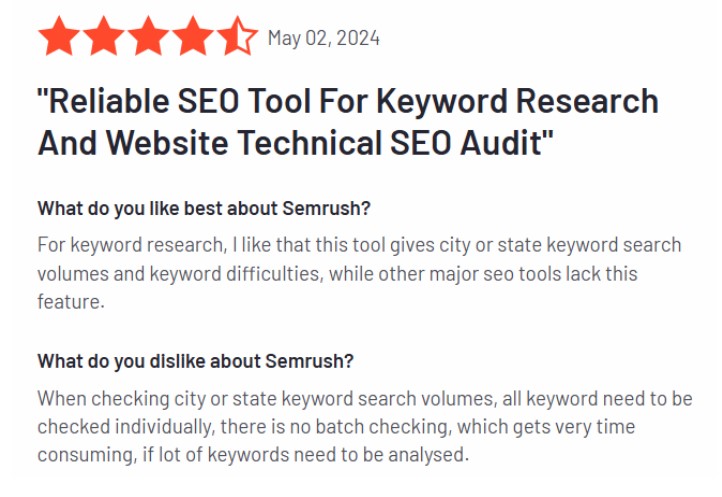
Check the legitimacy and effectiveness of SEO tools by looking for reviews from users who share your challenges and goals.
Their feedback will help you determine whether a tool is worth using.
Here’s an example of a review for Semrush:
5. Assess Customer Support
You want to save time and streamline your process.
Poor customer service from your service provider will not help in this case.
Choose a tool that offers 24/7 support and has a reputation for quick response times.
You can also look for reviews on this aspect.
6. Look at Integration Options
Choose an SEO tool that seamlessly integrates with your existing software, such as Google Analytics, Search Console, HubSpot, and Zoho.
This integration simplifies your workflow, combines data from analytics platforms, and enhances your decision-making for a more effective SEO strategy.
Check for export options too.
A CSV export or API lets you line up your rankings with your affiliate network stats and see which pages earn money.
7. Budget Considerations
Whether in a huge company or a small business, budget is an excellent factor.
Remember that you’ll be using these tools long-term.
Publishers have a simple way to judge cost: compare the plan to what one ranking page earns you per month.
If the extra commissions from improving a single page cover the plan, the tool pays for itself.
Calculate and see what type of tool will give you the best value—will it be one-time purchase or subscription-based?
Most tools require extra fees for additional features, so check whether adding those features is worth it and if they are within your budget.
Running several sites?
Check the site and keyword limits too.
A plan that looks cheap for one site can get pricey once you add the rest.
8. Trial Periods and Demos
Take advantage of free trials and demos!
Knowing your specific needs and evaluating features will make the decision easier.
If you’re a publisher, I’d run the trial on one of your real money pages instead of a test site.
Then check whether the data gives you something you can act on.
A hands-on experience with the tool will seal the deal with the one ideally suited to your marketing effort.
We list the promos and free trials for each tool in our Best Paid SEO Tools guide, so you can test them before you commit.
We Put Our Money Where Our Mouth Is!
So, there you have it—a quick guide on how to choose the best SEO tool.
What makes these tips authentic is that we’ve used our advice and built this from experience!
Mobidea Academy is now an award-winning blog with hundreds of thousands of readers.
And it’s all because we followed the right SEO techniques (no matter how ever-changing search engine rules may be).
We also tested several tools before we finally landed on the ones that best fit our needs.
Ready to see the actual picks, with pricing and free trials?
Watch out for our Best Paid SEO Tools list coming soon, and find the one that fits your site and your budget!



Discover how Patel earned $20K with smart SEO, content updates, and Adsterra monetization. Practical tips for steady website growth.

Check these unforgettable affiliate marketing success stories for you to get inspired and start earning money like the pros!

Discover how OnClickA’s AW Bangkok deal gives new advertisers a 10% bonus and entry into an iPhone giveaway.