From the CIS to the Global Stage: How a Regional School of Affiliate Marketing Took Over
Last updated on May 26, 2026 5 min read
Some of the most influential techniques in performance marketing today weren’t born in Silicon Valley—they were forged under pressure in the CIS.
This guest post from MAC traces how that happened.
A Global Industry with Local Roots
In the early days of affiliate marketing—long before billion-dollar turnovers and polished conference stages—the industry looked very different.
Back in the 2000s, it lived in niche forums, private chats, and experimental iGaming projects.
Russian-speaking communities were among the most active participants in this underground ecosystem, testing strategies in real time and sharing what worked.
What started as a fragmented, semi-chaotic environment has since evolved into one of the most influential talent pools in global performance marketing.
Today, many of the techniques used worldwide — from traffic scaling to funnel optimization — were first refined within the CIS.
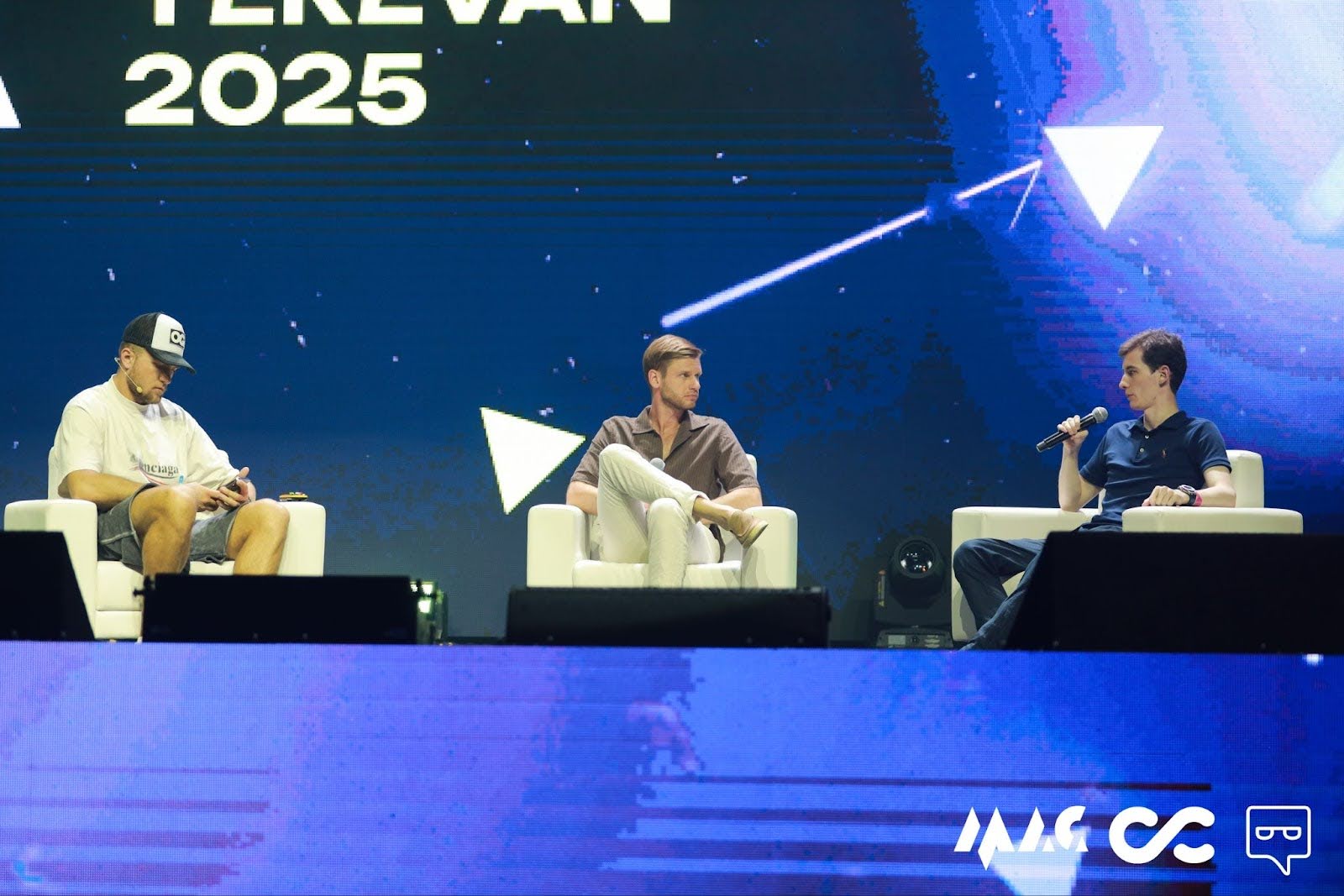
This article looks at how that transformation happened, what sets this approach apart, and why events like MAC in Yerevan have become key meeting points for the industry.
Built on Constraints: Why the CIS Model Works
Unlike more mature markets, the CIS affiliate space developed under constant pressure.
Limited access to payment systems, regulatory uncertainty, advertising restrictions, and unstable infrastructure created an environment where standard playbooks simply didn’t apply.
To survive, teams had to improvise.
That necessity shaped a distinct operating model—one built on:
- adaptability
- aggressive experimentation
- rapid optimization cycles
Over time, this evolved into a recognizable “school” of performance marketing.
Affbuddha explains it this way:
“A big part of CIS expertise comes from working through complex conditions—different traffic sources, payment systems, legal frameworks.
But the technical foundation is just as important. These teams go deep into testing and build solutions that scale globally.”
Dmitry Klyukvin, Director of Affiliate Services at Admitad Group, highlights the same pattern:
“The market had to become self-sufficient. Teams built their own infrastructure, tools, and processes.
Combined with strong technical skills and a constant search for new revenue streams, this produced highly specialized professionals.”
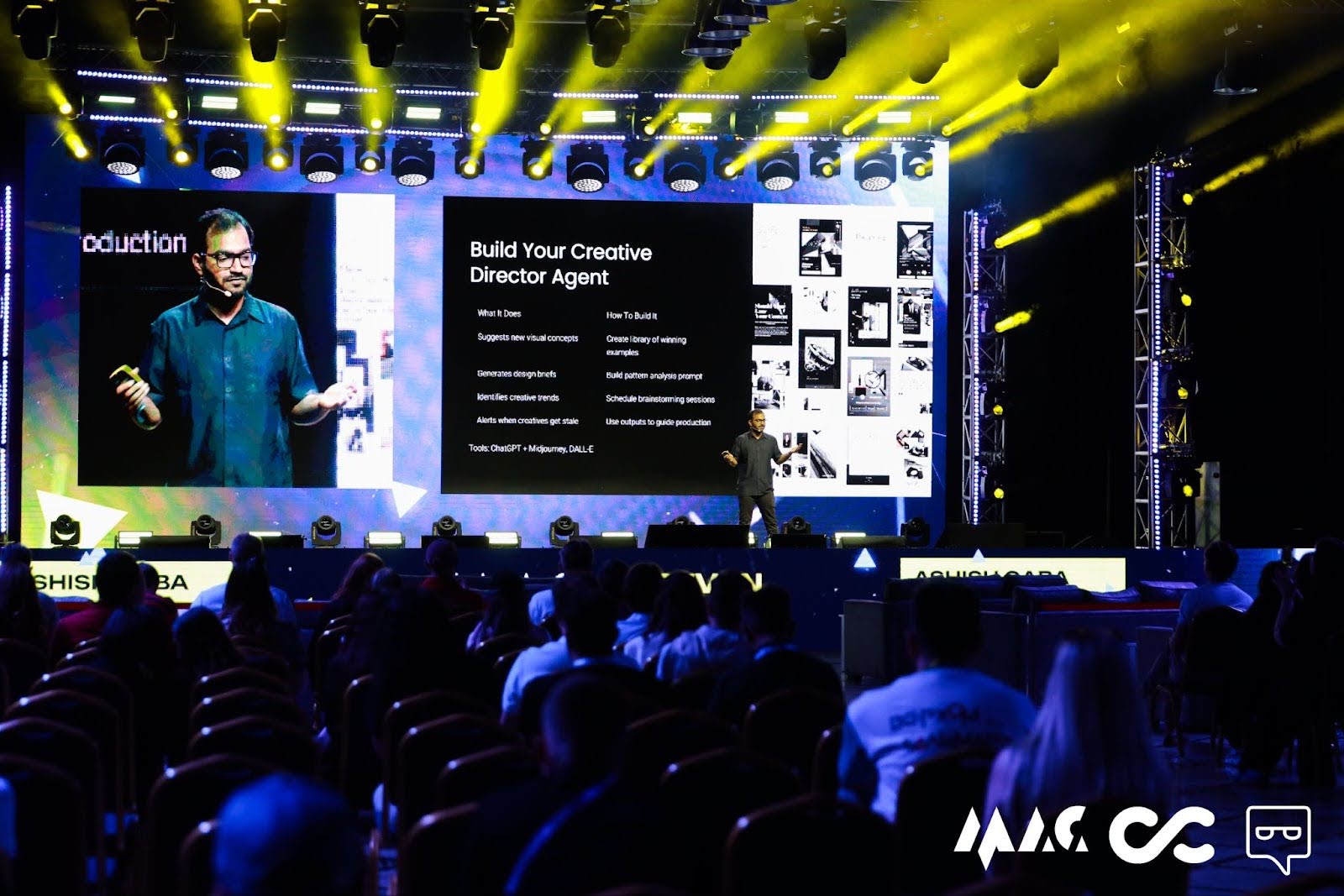
Ashish Gaba adds a broader perspective:
“The CIS region consistently produces high-level affiliate talent. Scarcity of resources early on forced both creativity and technical depth.
The ability to move quickly, test aggressively, and scale what works has become a defining advantage.”
A Data-Driven DNA
One of the defining characteristics of CIS teams is their reliance on data and in-house technology.
From the very beginning, success depended on building internal capabilities:
- proprietary tracking systems
- anti-detect tools
- automated workflows
- continuous channel testing
This wasn’t a competitive advantage—it was a necessity that later became a strength.
According to AffiliateFix, a large share of top-performing global arbitrage teams have Russian-speaking origins, underlining the scale of this influence.
Real-world examples reinforce this trajectory.
Advmaker, active between 2008 and 2014, was among the early Russian-language ad networks scaling traffic for iGaming and digital clients.
At its peak, it reached tens of millions of users and generated billions of monthly impressions, delivering millions of players to advertisers.
Admitad, founded in 2010, evolved into a global ecosystem combining affiliate marketing, fintech, and adtech solutions.
Today, it works with tens of thousands of partners and thousands of advertisers worldwide, consistently earning recognition across the industry.
Behind both cases lies the same principle: a strong engineering culture applied to marketing.
|
⚡ Recommended Reading: |
Small Teams, Big Impact
Another defining trait of the CIS ecosystem is its structure.
Instead of large, hierarchical organizations, many teams operate as compact, highly flexible units.
Roles often overlap—one person may handle analytics, media buying, and technical implementation simultaneously.
Affbuddha describes it simply:
“The approach is built around risk tolerance, fast testing, and scaling what works.
That’s very different from the Western model, which prioritizes stability and structured processes.”
Klyukvin identifies three key pillars:
- an engineering mindset
- speed and adaptability
- willingness to experiment
Ashish Gaba connects this to a broader industry contrast:
“Western affiliates typically operate within structured frameworks, with compliance and long-term sustainability as priorities.
CIS teams approach affiliate marketing more like a craft — focused on iteration, experimentation, and technical execution.”
This difference often translates into performance.
In fast-moving markets, the ability to act quickly can outweigh even significant financial resources.
Alexander Sobko, based on observations from international conferences, adds:
“Roughly a quarter of participants come from the CIS, and they’re often among the most technically skilled.
The motivation to succeed is higher, and the willingness to take risks is greater—partly because there’s less to lose.”
Global Reach, Local Core
Despite operating worldwide, many CIS teams retain their core expertise within the region.
Traffic may be directed to Tier-1 markets like the U.S., legal entities may be registered in Europe or the Middle East, but strategy, execution, and technical development often remain rooted in the CIS.
Perception of the region has shifted significantly in recent years.
Sobko notes:
“International markets are recognizing how strong these specialists are.
Western companies increasingly hire talent from the CIS to access this expertise and drive growth.”
Industry data supports this shift.
With the global iGaming and affiliate sector valued in the tens of billions, a significant portion of innovation — particularly in tracking, anti-fraud systems, and optimization—has been driven by Russian-speaking teams.
Ashish Gaba summarizes the evolution:
“There used to be skepticism and stereotypes. Today, CIS teams are seen as high-performing, technically advanced players.
Their results speak louder than any perception.”
Community as Infrastructure
Beyond technology and skills, one of the most powerful advantages of the CIS ecosystem is its network.
Unlike traditional corporate structures, it operates through horizontal connections:
- private chats
- niche communities
- offline meetups and conferences
New tools and strategies are often tested internally before being scaled globally.
This creates a fast feedback loop where ideas move quickly from concept to execution.
Why MAC Matters
Within this ecosystem, MAC in Yerevan has emerged as a key hub.
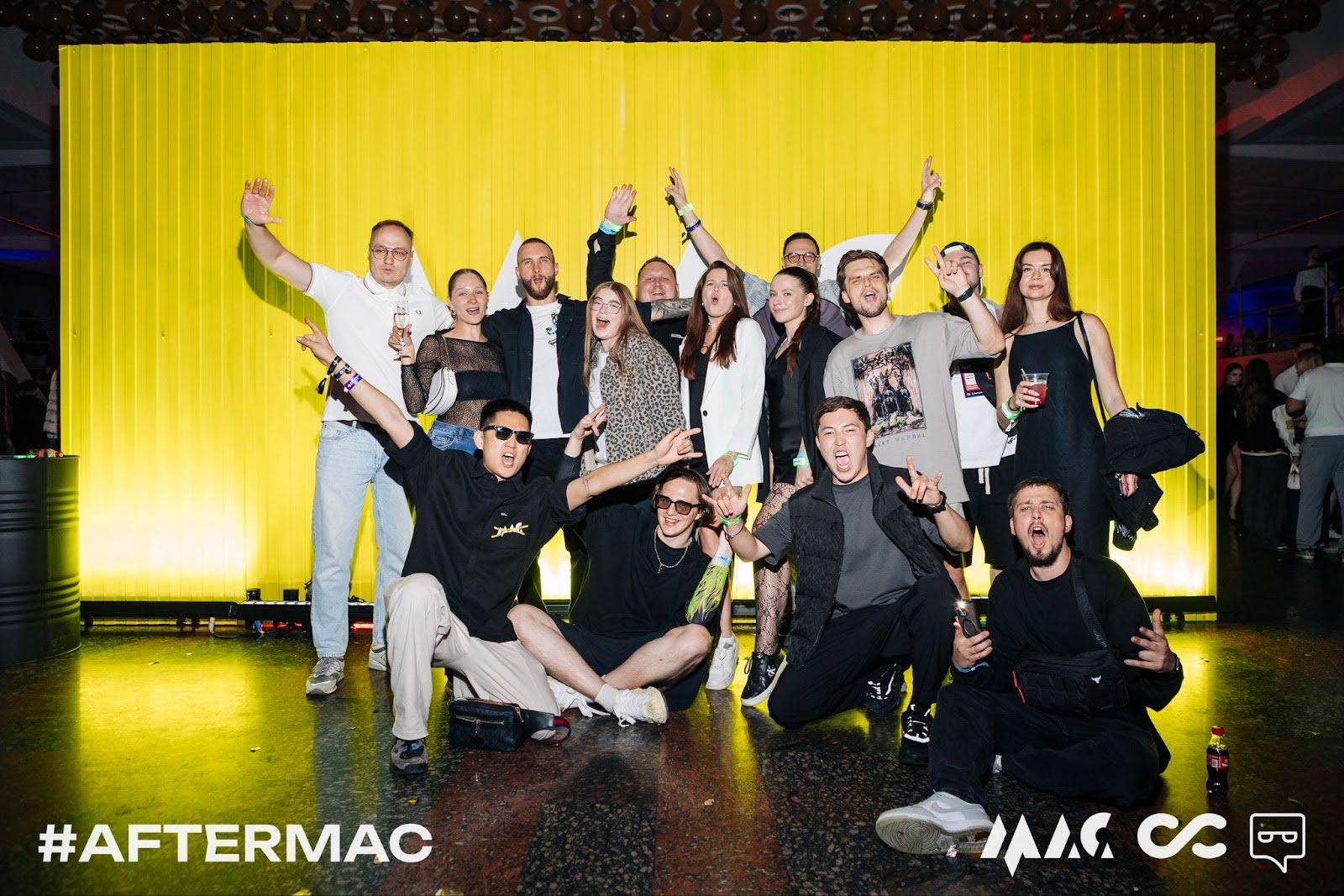
It’s more than just another industry event—it’s a physical convergence point where global companies and CIS teams meet face-to-face.
With thousands of participants, hundreds of companies, and a dense schedule of meetings, MAC turns distributed expertise into immediate business outcomes:
- partnerships are formed on the spot
- deals move from discussion to execution
- traffic strategies go live within days
Klyukvin points out an important dynamic:
“CIS teams entering global markets are adapting to international standards—adjusting processes, structures, and communication.
But they retain their core strengths: speed, technical depth, and a readiness to take risks.”
Erdem, CEO of ROYAL PARTNERS, adds context:
“The iGaming affiliate space in our regions developed rapidly because of strong demand for fast revenue.
That mindset still influences how teams operate today.”
The Bottom Line
What began as a fragmented, experimental environment has grown into a global force.
The Russian-speaking performance marketing school is no longer a niche phenomenon — it is a major driver of traffic, technology, and innovation in affiliate marketing and iGaming.
Events like MAC make this especially visible.
They bring together teams operating across continents, speaking the same business language — shaped by a shared background of speed, resilience, and technical expertise.
What once emerged from necessity has become a competitive advantage on a global scale.


Explore Affiliate World Asia 2024 in Bangkok—connect, learn, and thrive with top marketers, and don’t miss Mobidea’s exclusive Always Winning party for ultimate networking and celebration.

Affiliate World Budapest 2025 hits with 7,000+ Marketers, 300+ Exhibitors, and Exclusive Deals — Discover What Makes This the Affiliate Event of the Year

Always Winning by Mobidea comes to Prague on September 14, 2025 at MoonClub. Join affiliates, advertisers, and industry leaders for the ultimate night of networking, performances, and celebration.